17 Quebec Laws and Rules That Surprise Newcomers
Adapt or suffer the consequences
The laws in Quebec are known for being quite strict and thorough, and can often catch those moving to the province or even tourists passing through by surprise. While some laws are widely known, such as French language law, others are less obvious and may seem strange to newcomers.
If you are coming to live like I did, know that changing countries requires a lot of courage and some time to adjust. So, be careful, because this adventure called immigration is not just limited to the jokes and memes that you will accumulate throughout the adaptation process. Not only do you have to start from scratch in a new environment, you also have to get used to the laws of that new country, even if they don’t make any sense to you.
It’s always good to warn that failing to comply with local laws isn’t just about having a fine to pay. In some cases, these mistakes can have a negative impact on your immigration file if you have plans to become a permanent resident or a Canadian citizen in the future.
Read also: “What changes for you with permanent residence in Canada”
1. Mandatory French
Quebec law 101, or French Language Law, establishes French as the sole official language of the province. This means that French is mandatory in all aspects of public life, including in commercial communication, advertising, product labels and in the workplace. Even if you speak some French, it is important to be aware that the law requires all official documents, including employment contracts, to be written in French.

Discover 17 very strange laws in Quebec for newcomers - Source: Image bank
French in vein, yes. And you’re thinking that just because you heard that the city of Montreal is bilingual, which isn’t true, your life would be much easier just by speaking English.
Read also: “Canadian census reveals that Quebec families are speaking less French at home”
2. Prohibition of advertisements in English
One of the best-known laws in Quebec is the ban on advertising in English. Since 1977, businesses operating in the province must have advertisements and signs in French, and English cannot be more prominent than French. While most businesses comply with this law, you may still find some exceptions in tourist areas like Old Montreal.
This law was created to protect the French language and local culture, as Quebec is the only majority-francophone province in Canada. Furthermore, many Quebec residents are Francophones who have fought for years to maintain their identity and language against the influence of English.
It is believed that this law helps maintain cultural identity and preserve the French language, which is an important cultural heritage of the province.
3. Prohibition on the use of masks in public demonstrations
Since 2013, it has been illegal to wear masks at demonstrations in Quebec, with some limited exceptions for religious or health reasons. This law was introduced as a security measure, but is also seen as a restriction on freedom of expression and protest.
The law was introduced after violence began to become more common at demonstrations around the world, including Quebec. The ban on the use of masks during demonstrations aims to prevent people from hiding behind masks to commit violent and criminal acts. This law has been controversial as some people argue that it limits people’s ability to protest anonymously, which is important to protect their identities and safety. However, many believe the law is necessary to maintain order and public safety at demonstrations.
4. Ban on selling sugary soft drinks in schools
Since 2018, Quebec has banned the sale of sugary soft drinks in schools, including drinks like Coca-Cola and Pepsi. This measure was taken as part of an effort to combat childhood obesity, and to encourage healthier food choices.
5. Ketchup Law
This is a more unknown law, but still surprising. Since 2016, restaurants in Quebec can only serve ketchup if they also serve potato dishes such as poutine. The law was introduced to promote local cuisine, but some restaurant owners consider it unnecessary.
I think there are legislators in Quebec who really have nothing to do.
6. It is prohibited to sell products with more than 60% alcohol
If you are the type who likes much stronger drinks, know that in Quebec it is illegal to sell products with more than 60% alcohol. This law aims to protect consumers from dangerous alcoholic beverages and ensure that manufacturers follow safety regulations.
While this law may be strange to some newcomers, it is important to ensure consumer safety.
7. It is prohibited to sell distilled alcoholic beverages outside government-authorized stores
Unlike many other places in the world, in Quebec it is illegal to sell distilled alcoholic beverages in places such as gas stations, convenience stores or supermarkets. Instead, residents must purchase drinks at stores authorized by the Quebec government such as the SAQ chain.
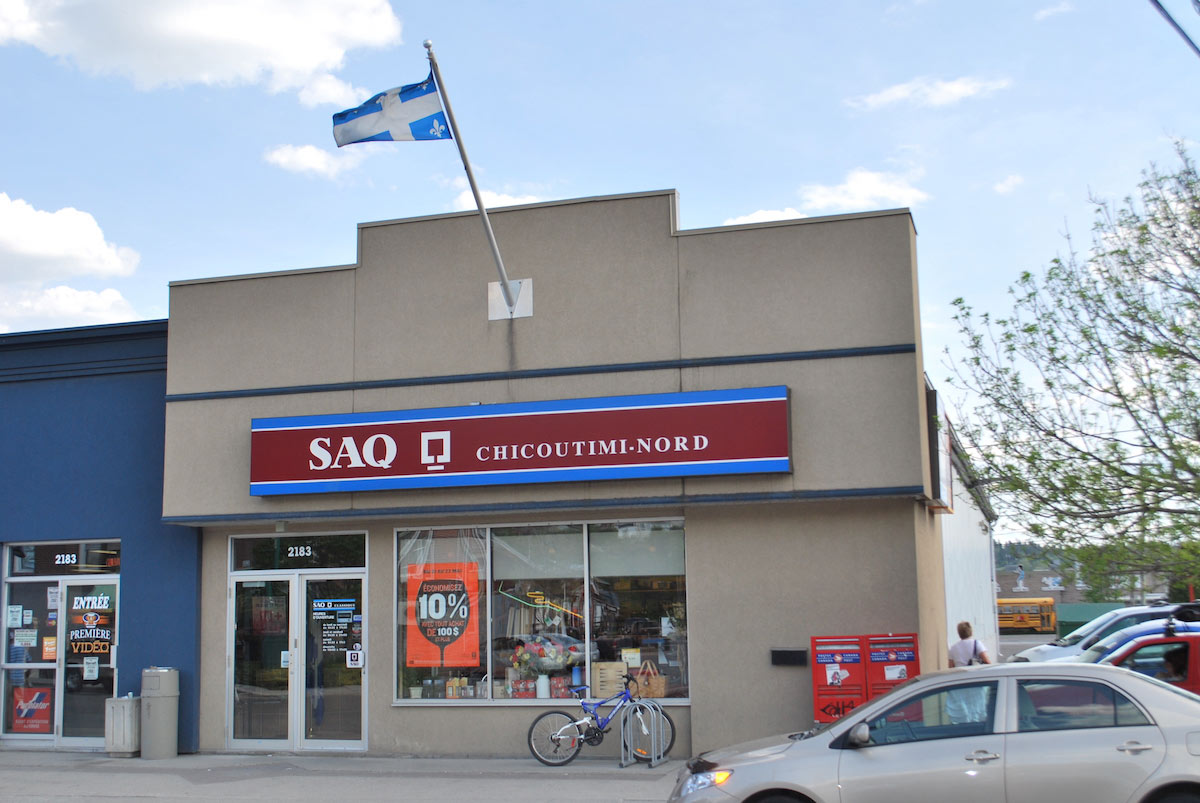
SAQ store in Quebec - Source: Wikimedia Commons
The exception is wine and beer, as well as low-alcohol drinks, which can be easily found in convenience stores or supermarkets.
 Curious facts Curious factsOnly in the province of Quebec is it possible to buy wine and beer in convenience stores or supermarkets, with the exception of the Walmart chain. The same is no longer true in almost all other provinces in Canada. In these cases, the rule of purchasing only from stores authorized by the local government applies. There is also greater tolerance in consuming this type of drink in parks, as long as there is no express prohibition. For those unaware, it is worth remembering that you "must" do this, preferably with your family, and during picnics where there is food being consumed together. Taking a cooler full of beer to drink at the park will definitely end up in trouble and fines. |
8. Most bars and nightclubs have to close at 3am
Ok, I know that as a debutante immigrant you are not the most prone to all-night partying like we do in Brazil. For obvious reasons, “too much” alcohol and immigration don’t mix. Furthermore, paying the bill for a Quebec nightclub until the sun comes up will definitely cost you a kidney.
So, if you were “the guy” in the clubs and endless nights in Brazil, you’ll have to settle for much more limited hours in Quebec. After a while here you will start to find things like mega star shows on a Monday or Wednesday, starting at 7pm, and ending at 9pm because of the subway schedule, quite normal. If it’s any consolation, the province of Quebec is by far your best choice when it comes to nightlife when it comes to Canada. Eventually, Montreal and the city of Quebec promote some long-term events where it is possible to get a taste of nightlife in Brazil. In other large urban centers, such as Toronto or Vancouver, things are very different, almost everything there closes at Cinderella time or even before.
If this is an important factor for you, keep in mind that the average Canadian’s life is generally pretty quiet and they like to wake up early. When I made my first visit to Canada as a tourist in 2017, I put this criterion on the scale when choosing Montreal to live, as I really like night life and I saw how bad it works in other cities in Canada.
9. Weed is legal, but only when sold by the government
The use of cannabis (or marijuana for laymen) is legal for recreational use across Canada. As all provinces have their own control, the way it is sold in the country can vary greatly.
In Quebec, the sales process is similar to that of distilled alcoholic beverages, and it is necessary to purchase any product derived from cannabis in official government stores called SQDC.

SQDC store in Quebec - Source: Wikimedia Commons
The business is so profitable and convenient that you can even buy online with express delivery. Remembering that you must be over 21 years old to purchase.
I was in Vancouver in 2021 as a tourist and I was able to see many stores spread across the city with their own brands and without as much rigor as in Quebec. Furthermore, I saw a much larger number of users on the street. I don’t know if there’s anything related to this, but I’ll still write about the topic one day.
10. You must pay renewal fees for your Driver’s License every year before your birthday.
This is definitely very strange, but what to do? Maybe it’s some kind of strategy that SAAQ uses to avoid default, leaving this reminder on your birthday.
A few weeks before your due date, the SAAQ corporation sends you this birthday gift so you can maintain the privilege of driving.
11. Can you drive a car in Quebec at 16?
Traffic legislation in Quebec allows minors over the age of 16 to hold a provisional driver’s license as a learner. I’m not going to dwell on this topic because I already wrote a guide about it, but in short.
Read also: “How to get your driver’s license in Quebec: Complete Guide”
These young drivers can drive at 16 as long as they are accompanied by a licensed adult. Once the transition period as an apprentice has passed, the future driver needs to complete some more requirements and pass all exams to receive a permanent license.
12. You can buy and consume alcohol in Quebec at age 18
This law is nothing new for us Brazilians, if it weren’t for the curious fact that this is only possible in the province of Quebec. Throughout the rest of Canada, the minimum age for purchasing and consuming alcohol is 19 years old. You didn’t expect this?? The same applies to the sale of cigarettes.
13. Turning right at a red light is allowed everywhere except Montreal
The ban applies to our island for the safety of pedestrians and cyclists, but the rest of Quebec allows it. I remember very well the confusion this caused me when I arrived in Quebec and went to live in Laval, a city where it was possible to make the conversion without getting a fine.
After moving to Montreal, I think I’ve become even more relaxed about it, but every now and then I get honked at by the driver behind me for stopping at a red light in the right lane when I’m driving in other cities in Quebec. That’s very crazy.
14. Cold that also hurts your pocket
Quebec is known for its harsh winters, which is why it has a series of laws and regulations that aim to keep roads and sidewalks clean and safe. For example, property owners are required to remove snow and ice from the sidewalks in front of their homes or risk receiving fines.
Residents of small townhouses or condominiums do not have to worry about this, as there is always a third party to do this.
Additionally, cars must be equipped with winter tires from December to March, and it is illegal to push snow onto the street.
Read also: “Is Canada better prepared for the intense cold than the USA?“
15. It is not allowed to wash your car on the street
If you are a newcomer to Quebec and are used to washing your car on the street, be aware that it is illegal in the province. According to the law, you can only wash your car in areas that have a water recovery system.
This law aims to preserve water quality and reduce the amount of chemicals that enter the sewage system.
Although it may seem strange, this law is taken seriously in Quebec. If you are caught washing your car on the street, you could receive a fine of up to $1,000 CAD.
16. It is illegal to drive your car dirty
Washing your car on the street may be illegal in Quebec, but having a dirty car can also lead to a fine. The law requires that vehicles be cleaned regularly to ensure license plates are clearly visible. The fine for not having a clean car can be up to $100 CAD.
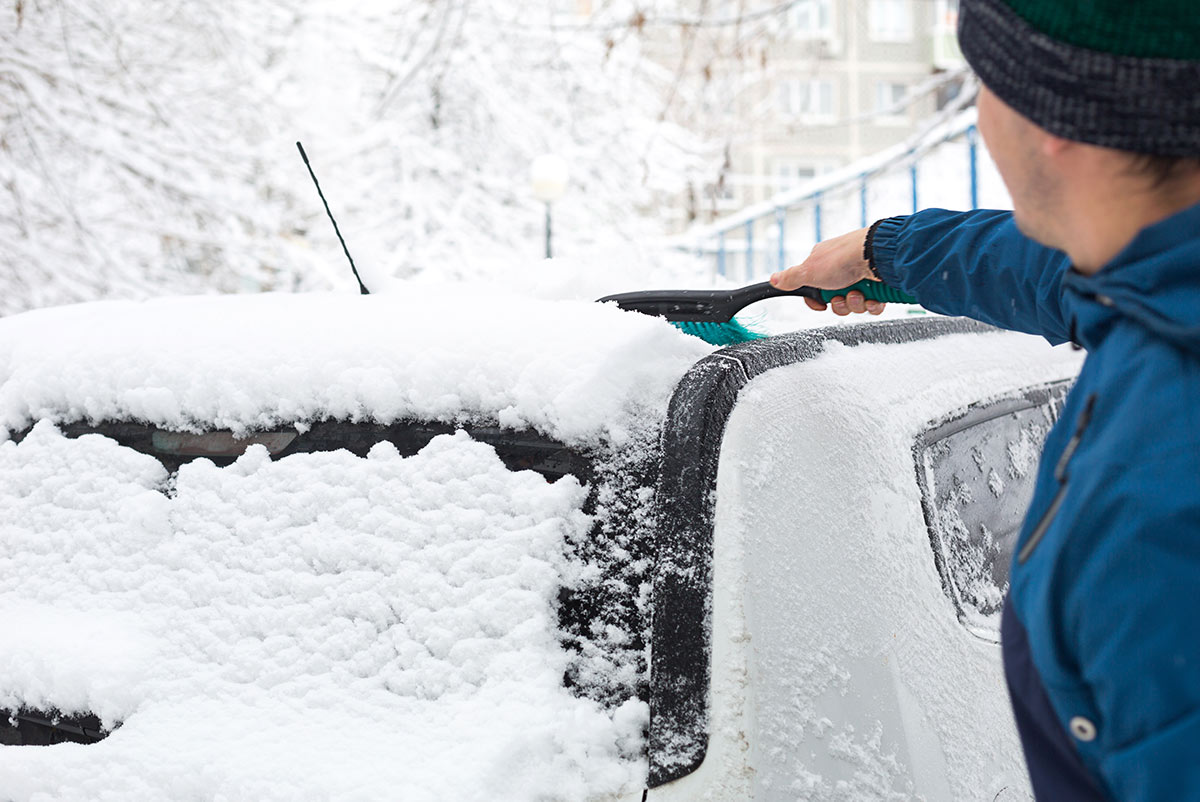
Discover 17 very strange laws in Quebec for newcomers - Source: Image bank
Although it may seem a little excessive, this law serves an important purpose. When license plates are dirty or covered in snow, they can be difficult to read, which can make it difficult to identify the vehicle in the event of an accident or crime.
I myself have witnessed several drivers being stopped by the police in traffic and being forced to get out of the car to clean the snow or ice off the car. In addition, of course, to receiving that unforgettable ticket.
When we talk about dirty cars in Quebec, keep in mind that we have had at least 5 months of snow in the province, so it is important to know how to differentiate “dirt” from thick layers of more than 10cm of snow on top of the car or that could block headlights or windows. You’ll soon discover why every driver here has their own cleaning kit with a brush, shovel and even an icebreaker in the trunk of their car.
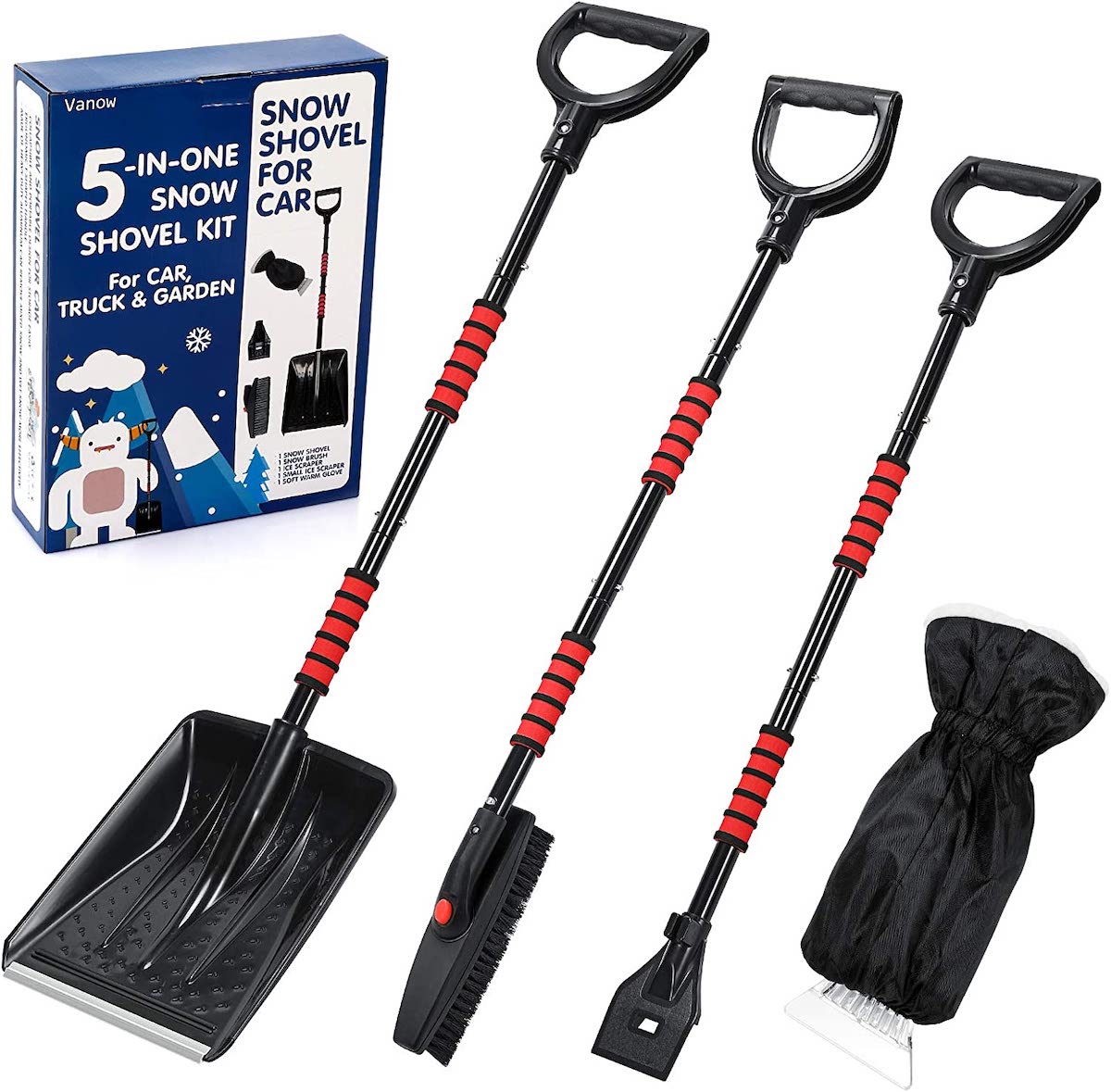
Snow cleaning kit for cars - Source: Amazon.ca
Tip! Don’t be surprised by the price of products like this on Amazon, you can find good snow cleaning items for less than $4 CAD in stores like Dollarama throughout Quebec.
17. It is illegal to have bright lights in your car
You know the thing about Car Tuning that some people like in Brazil, that’s right, it doesn’t happen here. If you are driving in Québec at night, make sure your car lights are not too bright. The law requires drivers to use lights that are not dazzling or likely to distract other drivers on the road.
If a police officer thinks your lights are too bright, you could get a ticket. To avoid fines, make sure your lights are adjusted correctly and are not too bright.
Final words
This is a small collection of things that you should pay attention to in your first months in Canada, especially in Quebec. I can guarantee that the number of crazy laws doesn’t stop here in my post, there are a lot of them that you will still discover.
Read also: “Quebec for Brazilian newcomers: Tips on local culture”Well, that’s what I had to say today. I hope this information helped once again. Want more tips like these? Sign up for our newsletter to receive updates about life in Canada and your first steps as a newcomer.
See you in the next post! 😉

Marco Vasconcelos
Brazilian, webmaster, and e-commerce specialist living in Montreal since 2018. Founder of Você no Quebec, sharing practical guides, housing tips, and real-life experiences in the province to help Brazilian and international newcomers transition smoothly.
Read more about Marco →