
Common Scams in Canada: How Newcomers Can Protect Themselves
The scams that catch most newcomers today
The channels change, but the script is always the same: urgency, fear and a payment method that cannot be tracked. If the conversation has these three ingredients, it’s a scam. The most common formats in Canada:
- Fake bank agent (bank investigator): they call posing as your bank’s security guard or a police officer, tell you that your account has been compromised, and ask you to transfer the money to a “secure account” or buy gift cards. No bank does this. Never.
- Fake CRA / Revenu Québec: collect back taxes by phone or text, threatening arrest or deportation. The tax agency does not threaten to arrest anyone over the phone and does not accept payment in cryptocurrency or gift cards.
- Fake IRCC: perhaps the most cruel thing to immigrants, they say there is a problem in their process and ask for immediate payment to “resolve it”. IRCC only charges fees through the official portal.
- Relative in trouble scam (grandparent scam): someone calls saying that their child or grandchild is in prison or hospitalized and needs money now. Hang up and call the person yourself.
- Ghost rental: really good ad, “owner” who is out of the country and asks for a deposit before the visit. Never pay without seeing the property and without checking the owner in the Ville de Montréal valuation register.
- False job offer / LMIA: they charge for a vacancy or an offer letter. Legitimate employers do not charge the candidate.
If this happens to you: report it to Centre antifraud du Canada at 1-888-495-8501 or official website, and notify your bank immediately. Reporting is not shameful, in 2023 the center recorded more than 62 thousand complaints and more than $554 million in losses, and most of the victims were educated people. These scams are professional.
Why do so many frauds and scams happen in Canada?
Firstly, it is necessary to clarify that the overwhelming majority of frauds and scams that occur in the country do not originate within Canada. The level of honesty and integrity of the native population is well above average, especially when compared to its North American neighbor.
In fact, this is the main reason why Canadians are the butt of so many jokes in the media and in films in the USA. For a large part of the world, Canadians are always described as very polite and naive people. Just be careful not to confuse kindness with trickery, after all, we are all human and there are bad people everywhere.
I had a few negative experiences when I bought my first car here in Quebec. Situations in which a seller does not honor their word are not unheard of, particularly in large cities where anonymous transactions are common. The lesson was simple: Canada is safer than Brazil in many respects, but trust still needs to be earned.
New arrivals to Canada should not let their guard down
Ok, I know the title of the paragraph may sound very strange, especially because, if you are leaving Brazil or thinking about doing so, it is likely because of violence, high crime rates and corruption. But calm down! Don’t give up on your plan just because of this text. If you are leaving Brazil for Canada for these reasons, you can breathe a sigh of relief, you have done or will be doing the right thing. In fact, crime levels here are very low when compared to Brazil, and I can demonstrate this in numbers.

_Things an average Canadian likes to do - Source: Image bank_Just out of curiosity, I will exemplify how high this level of security is by comparing data from my hometown, Recife, in Pernambuco, with Montreal, my current home in the province of Quebec. For those who like statistics, I will immediately warn you that the comparison is taking into account absolute data, as, coincidentally, the two cities have very similar populations in terms of numbers.
Well, Recife (with approximately 1.66 million inhabitants) recorded an average of 10 (ten) homicides per day in the year 2022. Montreal (with approximately 1.78 million inhabitants) recorded 47 (forty-seven) homicides in the entire year 2022. As I said, you probably got the right choice of Canada. Without forgetting to mention that Montreal is the second most populous city in Canada, with the status of a large urban metropolis in North America.
If you want to check the source, read the original report: Pernambuco recorded 3,418 homicides in 2022, nearly 10 deaths per day.
I think at this point you must not understand anything anymore, right? How can there be such a scam in a country where crime rates are so low? This is exactly what scammers are counting on to outwit you, the newcomer to Canada, full of expectations of a better life and so happy with this new environment that you won’t even be able to realize the danger. A perfect target!
Origin and nature of scams in Canada
Many scams targeting Canadians are carried out remotely, sometimes from outside the country. The scammer’s location matters less than the method: stolen personal information, spoofed Canadian telephone numbers, social engineering and messages designed to create panic or urgency.

Scammers in other countries - Source: Image bank
These scammers track social profiles on the internet in search of people who have recently changed their residence status, they also do this on vacancy and employment database websites in Canada, such as Linkedin for example. This way, they can know that you are new to the country, that you are a student, that you are looking for a job and that you are very likely to accept offers and benefits of all kinds without realizing that it could be a fraud. Once again, it’s the old story of thinking this can’t happen in a first world country.
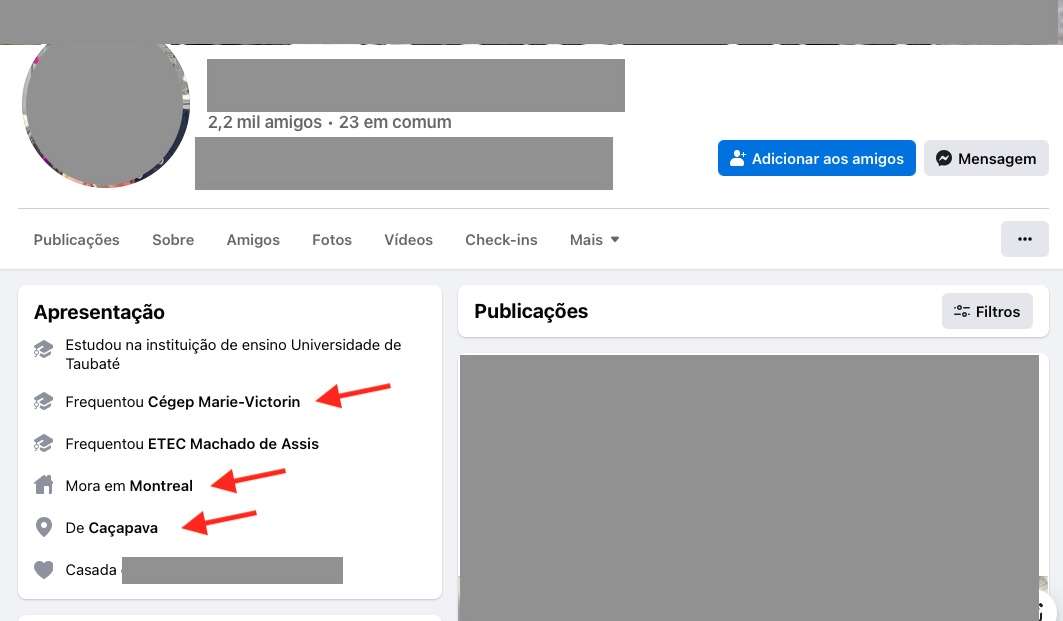
Information on social profile that can be easily tracked - Source: Facebook
I myself know people and friends who have been victims and can confirm this statistic. To this day I still receive scam calls at least once a month.
Unfortunately, just as technology helps us, it also favors scammers. A good example of this are the calls you receive originating from the USA and Canada, which actually have their real origin masked through VPNs and IP telephony exchanges. A good hacker does this with their feet behind them, making fraud very difficult to identify.
Why are newcomers more vulnerable to scams?
- Your language may be rusty or inefficient. This leaves you more vulnerable and in a position to accept more than argue in a phone conversation or text.
- You don’t know the country’s rules and laws, so you are more easily subjected to scams, thinking that everything is part of the process of moving to another country.
- The feeling that life in Canada is safer than in Brazil creates a false idea that nothing bad can happen to you.
- You urgently need to settle in the country, as the transition in the cost of living is huge, leaving you more fragile at this stage.
Well, now that the message has been given, let’s go to the extensive list of scams that you should be aware of.
List of most common frauds and scams for newcomers to Canada
The list I made goes from the most frequent and dangerous to some old acquaintances of Brazilians. I assigned a level of gradation to the blows, but that doesn’t mean that the most skilled ones can’t be effective with you.
Level 1 scams (the most dangerous and easy to fall for)
Phishing emails or text messages on cell phone
Phishing emails or text messages are often designed to look like they’re from a source or website you trust, like your bank or an online store (Amazon Canada is the champion in this scam). The sender will ask you to click a link or download a file, or will try to create a sense of urgency, such as saying that there has been some suspicious activity from your account or that you need to update your payment information to keep your account active.
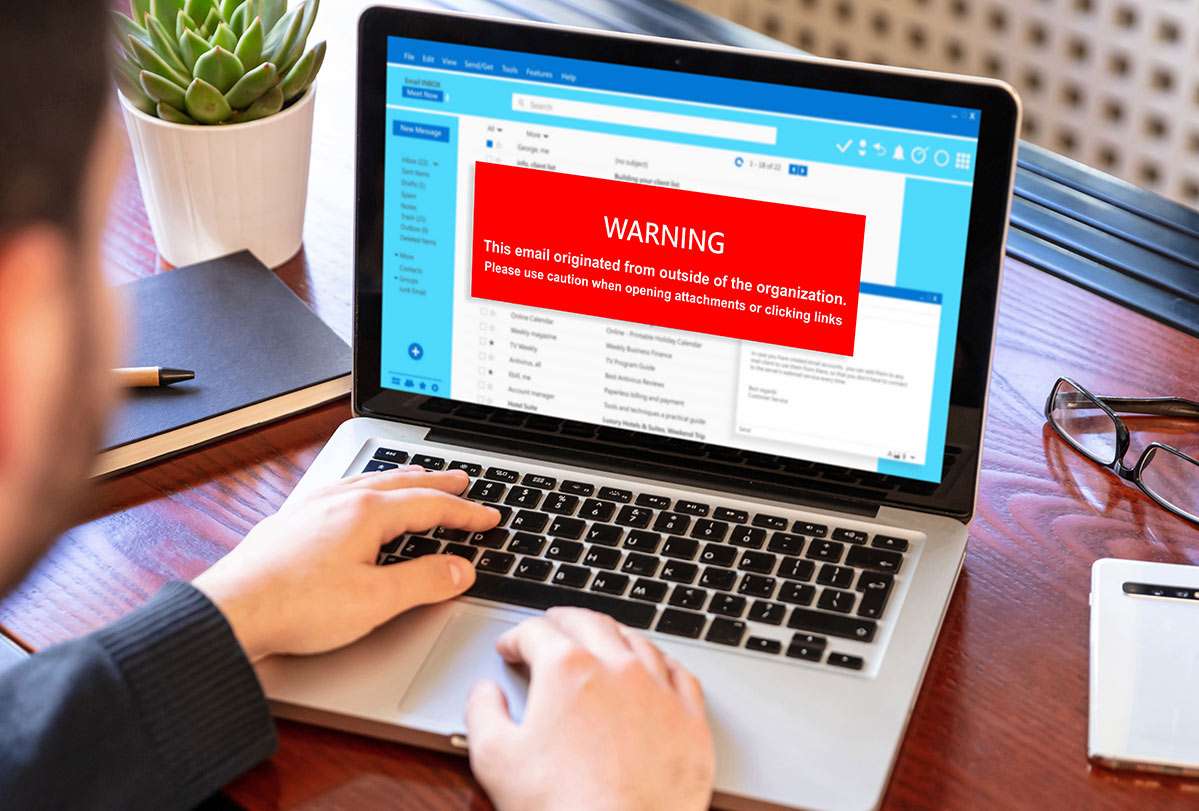
Fraud with fake emails - Source: Image bank
It’s unbelievable how scammers get your phone number so quickly. In just over a month of being online, I already had people calling me to try the scams that I will list below.
How can I protect myself from this fraud in Canada?
Be sure to check the email address the email originated from. If the domain name does not match the organization name, it is likely a phishing attempt. Other red flags could be poor grammar, a generic greeting, or unsolicited attachments in the message. If you suspect an email or text message is fraudulent, call the organization to verify before clicking any links or sharing any personal information.
 Alert! Alert!Keep an eye on WhatsApp, you'll soon discover that Canadians don't use the most popular communication app in Brazil. Here, basically everything works via text message via SMS. If a strange number is trying to communicate with you through WhatsApp, be suspicious right away, this is probably a scam aimed at immigrants from countries the app is popular. |
Generally, Canadian banks will never ask you to share personal information, such as account numbers or social security number (SIN), via email or text message.
READ ALSO: “How to obtain a Social Security Number (SIN) when arriving in Canada: Complete guide”
And speaking of WhatsApp
Just over 30 days after I wrote this post, my mother, who lives in Brazil, was targeted by a WhatsApp scam. Sadly, that is common enough in Brazil, but one detail made this attempt different: the scammer used a Canadian phone number, copied my WhatsApp profile photo and mentioned the names of my two daughters. My mother does not fall easily for this kind of trick, so she immediately sent me a screenshot. Had she followed the scammer’s social-engineering script, the next step would probably have been a request for money or a link designed to steal payment details.
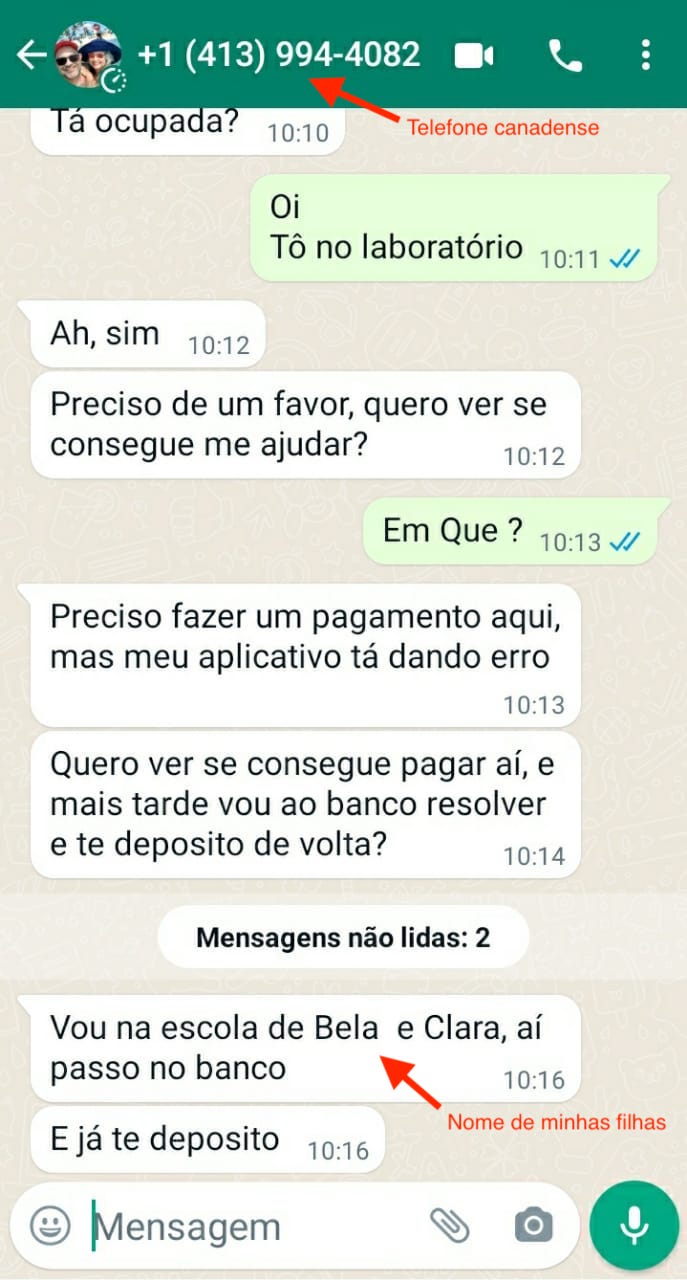
Print from my mother’s cell phone.
Now you must be wondering how he got access to all this information? Simple, for obvious reasons, my profile is public. After all, how would I prospect my content on networks? Thus, blog texts I wrote here and on other sites, photos from my profile, photos with my mother and daughters accompanied by short texts provide enough content for the forger to create the perfect scam. As I mentioned a moment ago, be very careful with what you leave exposed on the networks, as fame can exact a very high price.
To prevent anyone else from falling for the scam, I posted a post on my networks explaining what had happened and sent a direct SMS to the forger informing that his number had already been reported to the Canadian Anti-Fraud Centre. These are quick measures that can avoid further inconvenience and the scammer forgetting you quickly.
Things are so sophisticated that virtual crime is already crossing information between two people from different countries.
Debit or credit card fraud
Debit or credit card fraud happens when someone steals your credit card, PIN, or bank card information and uses it to make purchases or withdraw funds from your account.
Fraudsters may use different ways to obtain your credit card information, including stealing bank statements from your mailbox or trash, hacking into company databases to steal information, asking you to use your credit card on a fake website or through phishing emails. You can prevent debit and credit card fraud by keeping your credit card and personal information safe.

Credit card scam - Source: Image Bank
You would be surprised at the low level of security of banks in Canada, in this regard, Brazilians are light years behind. This is one of the big reasons why IT professionals involved in cybersecurity earn so well in Canada.
How can I prevent this scam in Canada?
Check your bank statements or banking app regularly to ensure you can identify all transactions. If you think you have been a victim of credit card fraud, call the phone number on the back of your credit card immediately to contact your bank and block your card to prevent additional fraud.
Immigration and citizenship fraud in Canada - IRCC
There are several private immigration consultancy organizations that specialize in helping newcomers come to Canada. However, if you come across a website that asks you to pay for immigration or application forms or guides that are available for free on the Immigration, Refugees and Citizenship Canada (IRCC) website, it may be fraudulent. You may also receive fraudulent phone calls or emails from someone claiming to be an immigration and citizenship services provider, claiming that they can grant entry to Canada, provide jobs or speed up your immigration processing for a fee.
How to avoid this fraud in Canada?
Never share your financial details with these organizations without contacting the website owner and checking online reviews to confirm the legitimacy of the business. Also, learn a little about the immigration and citizenship process so you can identify false claims. Don’t go like this and leave everything up to your immigration consultant.
Employment fraud in Canada
While looking for a job as a newcomer in Canada, be on the lookout for fake “employment agencies” that ask you to pay for “training” to get a job or promise a guaranteed job if you pay a large upfront fee. Legitimate recruiters or agencies in Canada will never guarantee job placements or force you to undergo mandatory training. Typically, when employers use outside recruiters or agencies to find candidates, the organization, not the candidate, pays the agency fee.
There have also been cases of newcomers receiving fake job offer letters as part of a phishing email, where fraudulent “employers” will ask you to provide your personal information or confidential details about your references.
Fake “CRA” or tax fraud phone calls
These are number one in Canada. Many newcomers receive fraudulent phone calls from someone claiming to be from the Canada Revenue Agency (CRA) or from Service Canada. Typically, the caller (or recorded message) will indicate that you have unpaid tax liabilities or that your Social Security Number (SIN) has been compromised. In some cases, scammers may even claim that there is a warrant for your arrest, which can be quite alarming.
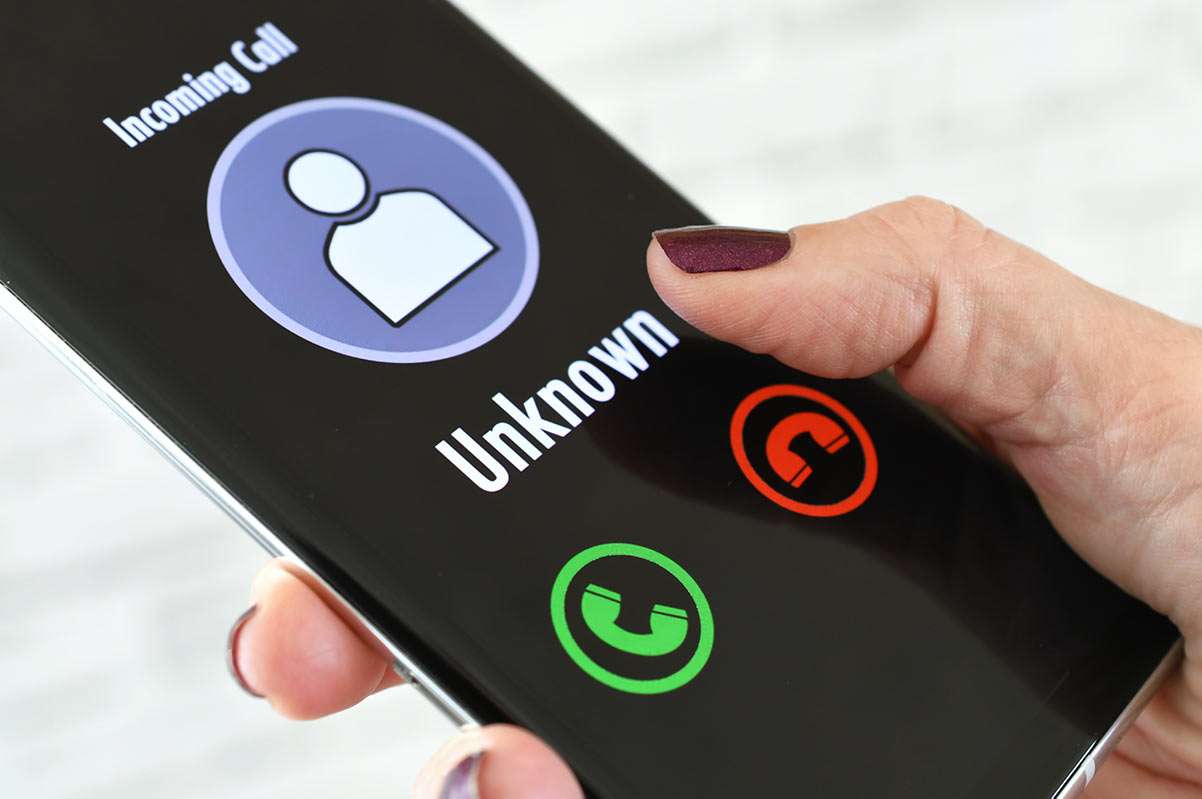
Fraud and scams in Canada with government call centers - Source: Image Bank
They may ask you to share your SIN number or make a payment via bank transfer, bitcoin or prepaid gift cards. These interlocutors are often aggressive and use threatening language to scare the recipient. In a variation of this type of fraud, the agent (supposedly the CRA) will claim that you are entitled to a tax refund and will need to share your banking information to get it.
How not to fall into this trap?
The CRA typically contacts individuals via message on its secure online portal, so if there’s a problem with your tax return, you’ll see a message about it there.
If you are unsure about the legitimacy of a call, hang up and call the agency to verify its authenticity. Educate yourself about the ways legitimate government agencies can contact you and the questions they may ask.
Level 2 scams (easier to suspect right away)
Announcements about working from home
You may see “work from home” advertisements online, or you may receive them via spam email. Once you approach them, they may offer you the position of a mystery shopper to test the services of a check cashing or money transfer company. Others may offer writing or editing jobs at a very high hourly rate or present a business opportunity that would be difficult to pass up. Eventually, they will ask for your bank account details to receive and remit payments.#### How to protect yourself from job scams in Canada
- A legitimate employer will never ask you to invest money before hiring you and will only offer you a position after evaluating or evaluating your skills and credentials.
- Never give your personal and financial information to someone you don’t know and haven’t met.
- Beware of counterfeit checks sent to you to establish trust.
- Be mindful of where you post your resume. Scammers use legitimate websites to look for victims.
Cheap accommodation scams in a great location
Most newcomers do not have a credit history or employment letter during their first few weeks or months in Canada. Therefore, they find it challenging to rent a place - this makes newcomers easy targets for rental scams. The most popular version of this scam is when the owner doesn’t reside in Canada but wants you to wire the money so they can send someone with the key to you.
Fraudsters will lure you with a very attractive listing: sought-after area, great amenities, and low price. These scammers use sites like Kijiji or Facebook Marketplace to find victims. They may use photos from an old listing, a home for sale, or short-term rental sites like Airbnb to make it look authentic.

Fraud and scams in Canada - Source: Image bank
They pose as the owner and may claim to be overseas and unable to meet in person to show you inside the place. After a few emails or texts, they will start asking for money. First, they will try to get a security deposit, then they will ask for the first month’s rent, then another month’s rent in exchange for a discount. They may even try to rush you into a decision by telling you that others are also interested in the property.
READ ALSO: “How to find cheaper rentals in Montreal”
How to protect yourself and find authentic rentals in Canada
- Never give anyone money for an apartment you haven’t seen in person. The suspected low rent for the neighborhood is another sign of fraud.
- Go to the address, make sure the listing is true and accurate. If you can’t go in person, use the Internet to see actual images of the rental.
- Please search the address to ensure it is not a duplicate post. You can even perform a reverse image search to see if the photos have been used elsewhere.
- Schedule a showing and confirm the owner will be present.
- If you plan to rent in a new development, please contact the builder to confirm ownership.
- Request a lease or contract. Review it carefully.
Level 3 scams (old acquaintances from Brazil)
Pyramid or Ponzi schemes
A pyramid scheme is a business model where you will be offered payment or commission for signing up other members, rather than selling actual products or services. You will be asked to pay an initial “membership fee”, with promises that you can make a profit once you start bringing in more members.
A Ponzi scheme is a type of scam where you are lured into investing money with the promise of very attractive dividends. In reality, your money is not being invested anywhere and is instead being used to pay “dividends” to other investors. Investors can receive profitable dividends for some time until the pool of new investors dries up. If the promised returns seem too good to be true, it could be a Ponzi scheme. Be sure to carefully review investment opportunities or speak with your financial advisor before making any investment.
Catfishing or romance fraud in Canada
This one is for singles on duty who usually suffer a bit when they arrive. If you’re active on dating sites or apps, keep an eye out for romance fraud. Catphishing, or catfishing, is when a person pretends to be someone else online, using a false name, photograph or story. A fraudster may spend time chatting with you online and once they have established a romantic connection, they will ask for money, claiming they need it to help a sick relative or get through a bad period. In some cases, the scammer may even meet you in person to make the relationship seem more legitimate.
Fake computer virus or ransomware
In this type of scan, the victim receives a call or email claiming that their computer has been infected with a virus. The scammer may ask for money to remove the virus or may try to access personal information and passwords through your device. Be sure to install an antivirus to protect your laptop and mobile device.
Fraud and Scams in Canada - Source: Image bank
Fake prizes in Canada
If you receive a text, email, or phone call saying you won a prize for something you don’t remember participating in, it’s probably a scam. Fraudsters may use this opportunity to collect your personal information or verify your contact details, so avoid responding to these messages or sharing any information. If you are unsure about the legitimacy of the prize, check the organization’s website to confirm that the contest or giveaway is real.
Final considerations
It is very likely that I have only listed a small fraction of what exists in Canada in terms of fraud, as there are no limits to the creativity of criminals. Like everything in this world, there is always someone working to make a new version even more efficient, and that includes fraud and scams. So, open your eyes and never let your guard down.
I know that as a newcomer to Canada, receiving phone calls from someone identifying themselves as an agent of the Canadian government can be very stressful and often cause panic, especially when your status in the country largely depends on you toeing the line and respecting the authorities.
Remember! This is what scammers are counting on. Their emotional destabilization is a great way for them to get what they want. By learning to recognize common scams and check for potentially fraudulent claims, you’ll always be one step ahead of them.
The more you can report and share experiences of fraudsters, the more you will be protecting not just yourself. Don’t be ashamed to expose yourself, unfortunately there is no better way to reduce this other than through information.
And you thought that only Brazil was a heavy hitter when it came to trickery?
Want more tips like these? Sign up to our newsletter to receive updates about life in Quebec and your first steps as a newcomer.
See you in the next post! 😉

Marco Vasconcelos
Brazilian, webmaster, and e-commerce specialist living in Montreal since 2018. Founder of Você no Quebec, sharing practical guides, housing tips, and real-life experiences in the province to help Brazilian and international newcomers transition smoothly.
Read more about Marco →