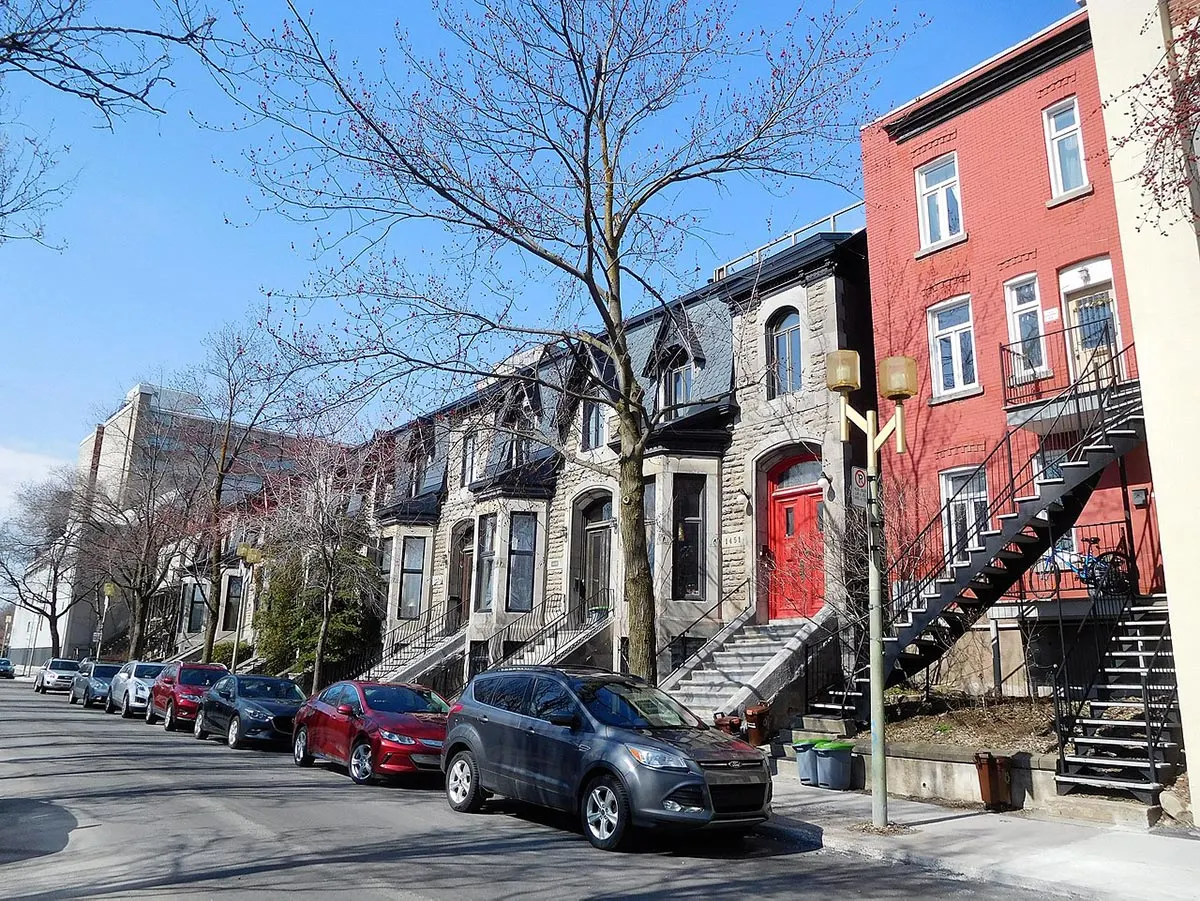

Quebec for Brazilian newcomers: Tips on local culture
Geography of Quebec for newcomers
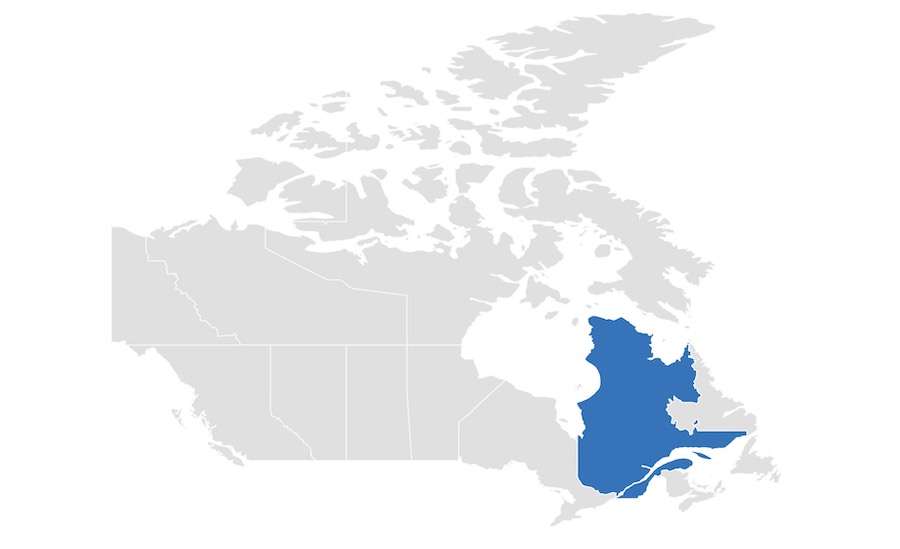
Map of Canada Quebec Province highlighted
The province of Quebec is located in northeastern Canada. The majority of Quebec’s population inhabits the southern regions of the province, where temperatures are warmer, the Saint-Laurent River provides water and rich land, and residents are in close proximity to other populated areas of Ontario, the Atlantic provinces of Newfoundland and Labrador, Prince Edward Island, New Brunswick and Nova Scotia, and the United States.
Quebec’s climate can be extreme; summers are often hot and humid, with temperatures above 30 degrees Celsius. Between November and March, winters can be very cold and snowy throughout Quebec, but especially in the northern regions. Quebec receives precipitation in the form of rain or snow throughout the year.
Tip: Newcomers should invest in weather-appropriate clothing and gear for rain, snow, and cold weather. A good quality winter jacket can be more expensive ($ 150-200 CAD), but staying warm and dry on your morning commute or ski trip is worth the cost. Winter coats and gear are often on sale in the summer off-season. Start with these outerwear retailers to find outdoor gear for all seasons:
- Latulippe (founded in Quebec)
- Simons (founded in Quebec)
- Mountain Equipment Co-op
- Sport Chek
- Walmart
- Costco
Major centers and smaller communities in Quebec
The capital of Quebec shares the same name, Quebec. It is differentiated from the province by the name Quebec City, or in French, Ville de Quebec. Quebec City is home to [more](https://www12.statcan.gc.ca/census-recensement/2016/dp-pd/prof/details/page.cfm? Lang=E&Geo1=POPC&Code1=0685&Geo2=PR&Code2=35&Data=Count&SearchText=Quebec&Search) than [700,000](https://www12.statcan.gc.ca/census-recensement/2016/dp-pd/prof/details/page.cfm? Lang=E&Geo1=POPC&Code1=0685&Geo2=PR&Code2=35&Data=Count&SearchText=Quebec&Search) residents, mostly French-speaking, both in the historic Old Quebec and in the city’s modern neighborhoods and suburbs. Old Quebec is a UNESCO World Heritage site, with charming cobblestone streets, fortified walls, and the iconic Chateau Frontenac towering above the city. As one of the birthplaces of Francophone culture in North America, there is much to experience in Quebec City that cannot be found anywhere else in Canada.
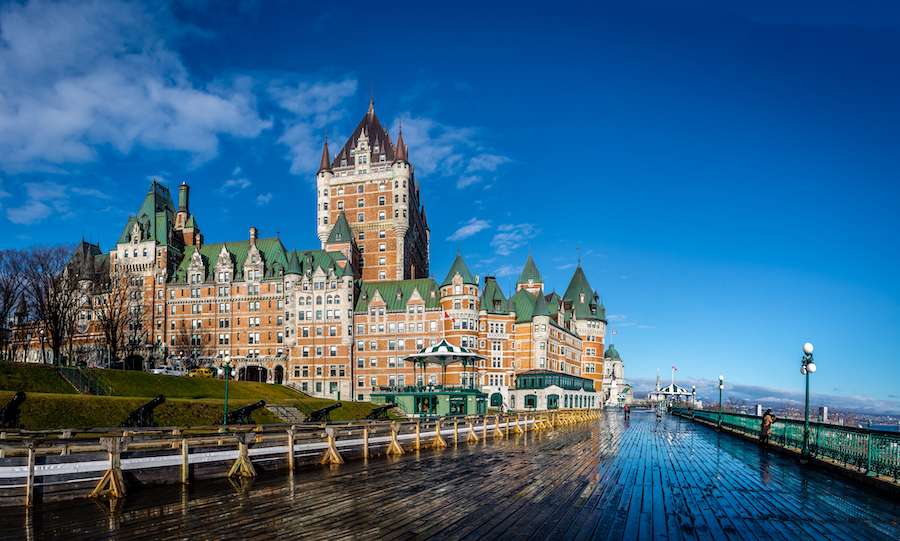
Frontenac Castle Hotel Ville de Quebec
The largest city in the province is Montreal, located downstream from Quebec City, on the Saint-Laurent River and close to many other major Canadian and American cities. Montreal and its surroundings are home to [more than 4 million residents](https://www12.statcan.gc.ca/census-recensement/2016/dp-pd/prof/details/page.cfm? Lang=E&Geo1=CMACA&Code1=462&Geo2=PR&Code2=01&Data=Count&SearchText=montreal&SearchType=Begins&SearchPR=01&B1=All&TABID=1), many of whom speak both French and English.
Also read: “Discover 17 very strange laws in Quebec for newcomers”
Montreal’s strategic location on the Saint-Laurent has produced significant economic and political power in the city, which has historically attracted settlers from all over the world. Today, vibrant Montreal is one of the most charismatic and culturally rich cities in Canada and attracts a large portion of the 50,000 newcomers who arrive in Quebec each year.
Quebec is the largest province in Canada by area, so there are many communities newcomers can choose to settle in. The 17 regions of Quebec vary in landscape, climate, and population, and offer very different opportunities for newcomers.
French-speaking individuals who want an urban environment outside of Quebec City and Montreal might be interested in exploring the city of Laval in the Laval region, or Trois-Rivières in the Mauricie region. Areas in the Laurentians, in the Estrie region, or in the Gaspésie-Îles-de-la-Madeleine region have more opportunities for resource-based work such as agriculture, fishing, or mining.
Research these areas to find the community with the right balance for your lifestyle and career needs.
 Important tip! Important tip!Rural areas or smaller communities have more space and sometimes a more relaxed pace of life, but they also have a different set of challenges compared to settling in a big city. |
Quebecois culture: history, language, and celebration
History of Quebec: Indigenous peoples, European settlers, and the fur trade
The Quebec area was first inhabited by Indigenous groups, including the Algonquin, the Inuit-Aleut, and the Iroquois for thousands of years. Today, Quebec’s eleven Indigenous groups have a lasting community and presence through art, food, music, language, and more. Attending a Pow-Wow is an exciting way to experience Indigenous culture through music and dance.
Samuel de Champlain and other French explorers then settled on this land and claimed it for France, sparking the highly influential North American fur trade across Canada. The province’s strategic and central location along the Saint-Laurent River allowed it to become a political and economic stronghold that was highly contested between British and French settler groups.
Eventually, the British took the land from the French, designated it Upper Canada, and assigned it to the French-speaking population. The province joined the Canadian Confederation as Quebec in 1867. This history has influenced the distinct French-Canadian culture that the province enjoys today.
The French language in Quebec
Quebec is the only province in Canada where the primary language is French, rather than English. Almost [half of the province’s population is bilingual](https://www12.statcan.gc.ca/census-recensement/2011/dp-pd/vc-rv/index.cfm? Lang=ENG&VIEW=D&GEOCODE=24&TOPIC_ID=4), speaking both French and English, the official languages of Canada. The French language and culture are protected in Quebec as they are a source of identity and pride for Quebecers whose French ancestors settled on this land centuries ago.
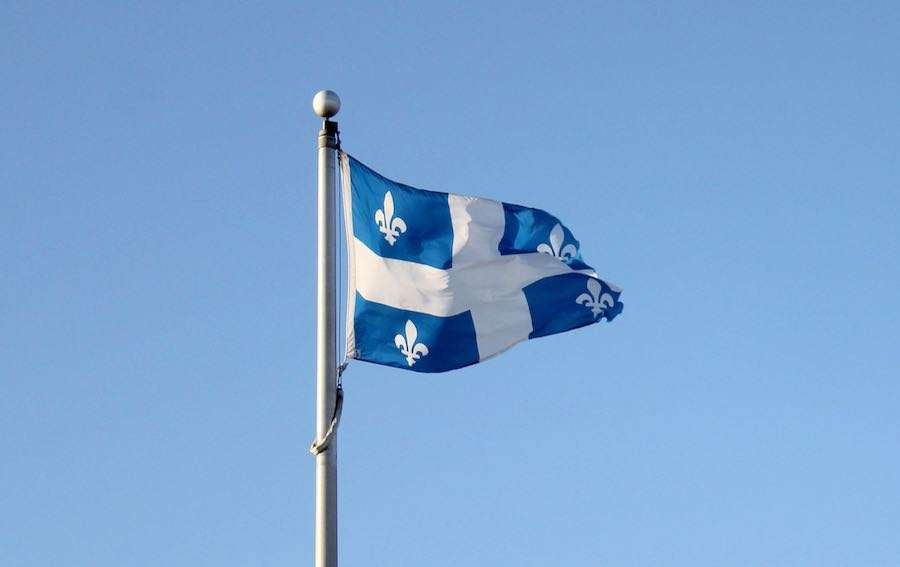
Flag of the Province of Quebec
The provincial flag features four fleurs-de-lis on a deep royal blue background — symbolic of ties to ancient French royalty and showing the province’s attachment to French culture.
Also read: “Canadian census reveals Quebec families are speaking less French at home”
| Important tip! Speaking English in Quebec is common, but learning some French shows respect for the local culture and makes everyday communication much easier. Free French courses are available to newcomers in part-time, full-time, and online formats. See the official federal language-course information. |
Festivities in Quebec: Celebrating Quebec culture
Festivals and parties are a major part of Quebec’s joie de vivre experience. Winters get cold in Quebec, so Quebecers host the winter festival Carnaval du Quebec, a week of snowy fun in Quebec City every February, to stay warm and joyful. The festival’s mascot, the snowman Bonhomme, is a beloved Quebec figure who leads the daily Carnaval parades through the city.
Quebec is also home to top-tier international events, such as the largest international comedy festival, Just for Laughs, as well as the world’s largest jazz festival, the Jazz Fest.
Cirque du Soleil, the world-touring gymnastics and circus show, is another Quebec creation. Many more music, food, and art festivals hit cities across Quebec during the year, so there is always a celebration.
Exploring nature in Quebec
Quebec is a very large province, so there is plenty of space to explore in any season. Quebec has some of the best skiing in eastern Canada, as the province receives a lot of snow. Most ski hills in Quebec are a short drive or shuttle ride away from major cities in southern Quebec. Other winter activities include snowboarding, snowshoeing, and ice skating or playing hockey at a neighborhood rink.

Amazing nature Quebec. Source: Image Bank
Summers in Quebec can be spent searching out some of its one million lakes to swim, canoe, and kayak, or setting up a campsite alongside. Lake Memphremagog is a large and popular choice for boaters and swimmers. Quebec’s provincial and national parks offer the opportunity to get close to nature, whether it’s a waterfall at Parc de la Chute-Montmorency near Old Quebec, or a bird sanctuary and diving at Île-Bonaventure-et-du-Rocher-Percé.
Working in Quebec: Industries and tips for finding a job
Major industries in Quebec
Since the days of the fur trade, Quebec’s economy has been resource-based. The fertile land around the St. Lawrence River produces a large portion of Canada’s agriculture, and fishing, forestry, and pulp and hydroelectric production are all significant contributors to Quebec’s economy. Freshwater is abundant in this area for drinking, electricity, and types of mining and manufacturing.
Also read: “Most in-demand jobs in Quebec for newcomers”
In addition to resource-based industries, Quebec has other strong prospects. As part of North America’s manufacturing heartland, Quebec carries out a quarter of all manufacturing in Canada. Since Montreal is a financial hub for the province and Canada, many businesses, finance, and transportation companies are headquartered in Montreal, providing many job opportunities in these fields.
5 tips for finding a job in Quebec
- Work on your French: Individuals seeking work in Quebec will gain a major advantage in their job search by speaking French partially or fluently.
- Use the Quebec labor market research tool: To find labor market information relevant to jobs in your field in Quebec, the province provides a labor market research tool. This tool includes explanations of job duties, salaries, qualifications, and regional demand for over 500 professions in the province.
- Explore student resources: Post-secondary institutions often have programs designed to match their students with a job in Quebec. Ask your school’s advising department for more information. The province also provides a student job search tool.
- Read the Quebec job search guide: Quebec’s job search guide provides many basic and advanced job search tips specific to the province.
- Build a professional network in Quebec: Many job openings are never posted on the visible job market, with employers filling the spot through personal connections. Reach out to friends and family in Quebec, or connect digitally with Quebec professionals through LinkedIn.
ALSO READ: “How to use LinkedIn to work in Canada”
| Important tip! The Government of Canada's Job Bank also offers an online job trend analysis with estimates of job availability, salary, and educational requirements based on position and region. Test out these tools by searching your current and/or ideal occupations and location in Canada for insights into current career prospects. |
Resources for newcomers in Quebec
There are many groups dedicated to supporting and understanding the newcomer journey in Quebec. Here are a few great resources for newcomers th help you get started:
- Quebec-Immigration
- YMCA and YWCA organizations in Quebec
- YES Montreal
Bonus tip: Calling the phone number 211 or visiting Quebec’s 211 website can provide immediate resources for newcomers in over 200 languages.
Grocery shopping in Quebec
There are many options for affordable food shopping in the province of Quebec. Once you have figured out which neighborhood and city you plan to live in, take a quick look at Google Maps to find grocery stores near you that fit your price range and food preferences. Ask neighbors and new connections where they like to shop to find hidden gems in your city.
Grocery chains often provide a wide choice consistent service for low prices. To get started, here are a few well-known grocery retail chains that typically carry internationally sourced products:
- IGA
- Provigo
- Metro
- PA
- Super C (More popular version)
- Marché Adonis (Specializing in Mediterranean cuisine)
- Oriental Market St. Denis (Montreal, specializing in Asian cuisine)
- Costco (Specializing in wholesale shopping items - Membership required)
| Important tip! Grocery chains usually have loyalty point systems to reward regular customers with free or discounted items. If you are always shopping at the same grocery store, ask to sign up for their loyalty program to start earning redeemable points. |
Specialty and ethnic foods can be easy to find in Quebec if you know where to look. Larger cities with large newcomer populations typically have the greatest selection of international foods and goods, in the neighborhoods where newcomers tend to settle.
In Montreal, there are large Italian and Algerian populations in the Saint-Leonard borough, many people of Lebanese, Moroccan, and Chinese descent in the Saint-Laurent borough, and many individuals of Haitian descent in Montreal-Nord.
For Brazilians, chains like Marché Adonis, Maxi et Cie, and even Walmart, finding traditional products from our cuisine is not a huge challenge; just pay attention to name and brand equivalents. For those looking for Brazilian brands, I recommend the Portuguese markets in downtown Montreal; there are at least 3 of them where you can find products like Guaraná Antarctica, tapioca flour, coxinhas, among dozens of other popular products from our country.
Also read: “How food banks in Quebec can help newcomers”
Public markets are one of the best places to look for fresh locally grown or specially imported ingredients. Public markets can be a fun way to get to know your community and taste great food. Check out these famous local markets in Quebec and Montreal:
Montreal
- Jean-Talon Market
- Atwater Market
- Maisonneuve Market
Quebec City
- Sainte-Foy Public Market
- Le Grand Marché
Transportation options: How do you get around in Quebec?
Quebec’s public transit is an efficient way to get around your city. Most communities have some form of bus or metro transit. Monthly passes in large cities with extensive transit systems, like Quebec and Montreal, can be over $90 CAD per month, but generally cost less in smaller communities, as well as being discounted for children, students, and seniors.
| Important tip! You can download the Rocketman app for real-time transit alerts and arrival times for regional transit systems in Quebec. |
Cycling is very popular in Quebec, adding to the European feel and charm of some cities. Consider biking to commute - instead of driving or taking transit - to add some exercise and get to know your city well. Knowing Quebec’s bicycle safety code is vital before hitting the road.
Also read: “How to use public transportation in Montreal”
If you plan to live in northern or rural Quebec, or don’t plan to ride public transit, consider renting, leasing, or buying a motor vehicle. The Government of Canada outlines the pros and cons of buying or leasing a vehicle as a newcomer in any region. Vehicle costs add up quickly, so it is important to include this plan in your budget for your first few months in Canada.
| Important tip! Map the routes between your home, workplace, friends and family, grocery store, and bank. Checking them during rush hour (7-9 a.m. and 4-7 p.m.) will give you a realistic idea of your transportation needs. |
Quebec’s unique French-Canadian character and pride make it a very special place for newcomers to make a home. Beautiful European-inspired cities are close to rivers and lakes so newcomers can easily enjoy all that Quebec has to offer.
For French-speaking newcomers, Quebec can be a natural choice. However, the province has a lot to offer non-French-speaking newcomers with the curiosity to learn about Quebec culture and the work ethic to succeed in a new job and lifestyle in Canada.
Well, I hope the information is useful for your planning and arrival in the province.
See you in the next post! ;)

Marco Vasconcelos
Brazilian, webmaster, and e-commerce specialist living in Montreal since 2018. Founder of Você no Quebec, sharing practical guides, housing tips, and real-life experiences in the province to help Brazilian and international newcomers transition smoothly.
Read more about Marco →