Living in Ahuntsic-Cartierville: A Montreal Neighborhood Guide
| Update note (August 2026): Sociodemographic and income data cited in this guide come from Census of 2021, the 2026 Census was carried out in May and its results will start coming out in 2027. On rent: the Montreal market took a break in 2026, with the vacancy rate rising to close to 3% and the average asking price for a 4½ falling around 6% in twelve months. See the updated overview at How to find cheaper rentals in Montreal. |
About the Ahuntsic-Cartierville Guide
This article is part of a special series called “Exploring Montreal’s Neighborhoods”. Each week, I’ll be sharing a comprehensive guide to one of Montreal’s diverse neighborhoods, offering a comprehensive look at its residential features, leisure options, family dynamics, and tourism.
Additionally, I will incorporate my personal perspective into some analysis. Stay tuned for more information about the neighborhoods of this city full of contrasts called Montreal.
Read also: “Living in Montreal: 12 Points that you should consider before living in this city”
Ahuntsic-Cartierville: Charms of a Historic Neighborhood
Few people know, but the Ahuntsic neighborhood was one of the two main historical development sites on the island of Montreal. The first recorded activities in this neighborhood date back to the beginning of New France, around 1535.
Over time, activity gradually moved to Ville-Marie, located in the south of the island. It is worth noting that the name of the neighborhood is derived from the Huron name of a young Frenchman, protégé of a missionary of the time, who, together with the missionary, lost his life in a canoe accident on the Rivière-des-Prairies in 1625.
Read also: “Neighborhoods of Montreal: Discover the 4 regions of this island and their contrasts”
With a population of approximately 135,000 residents, where almost two-thirds come directly or indirectly from immigration, the Ahuntsic-Cartierville district stands out as the fifth most inhabited within the territory of Montreal.
Residents are proud of the vast network of parks and cycle paths, and an excellent example of this is the iconic Boulevard Gouin. Recognized as one of Montreal’s founding main thoroughfares, it stands out as one of the neighborhood’s gems.
The predominant presence of vegetation on residential streets and the dynamics of local shopping centers contribute significantly to the quality of neighborhoods.
Fun fact! Boulevard Gouin boasts the title of being the longest street on the island of Montreal, crossing the city from east to west with an impressive 58 kilometers in length.
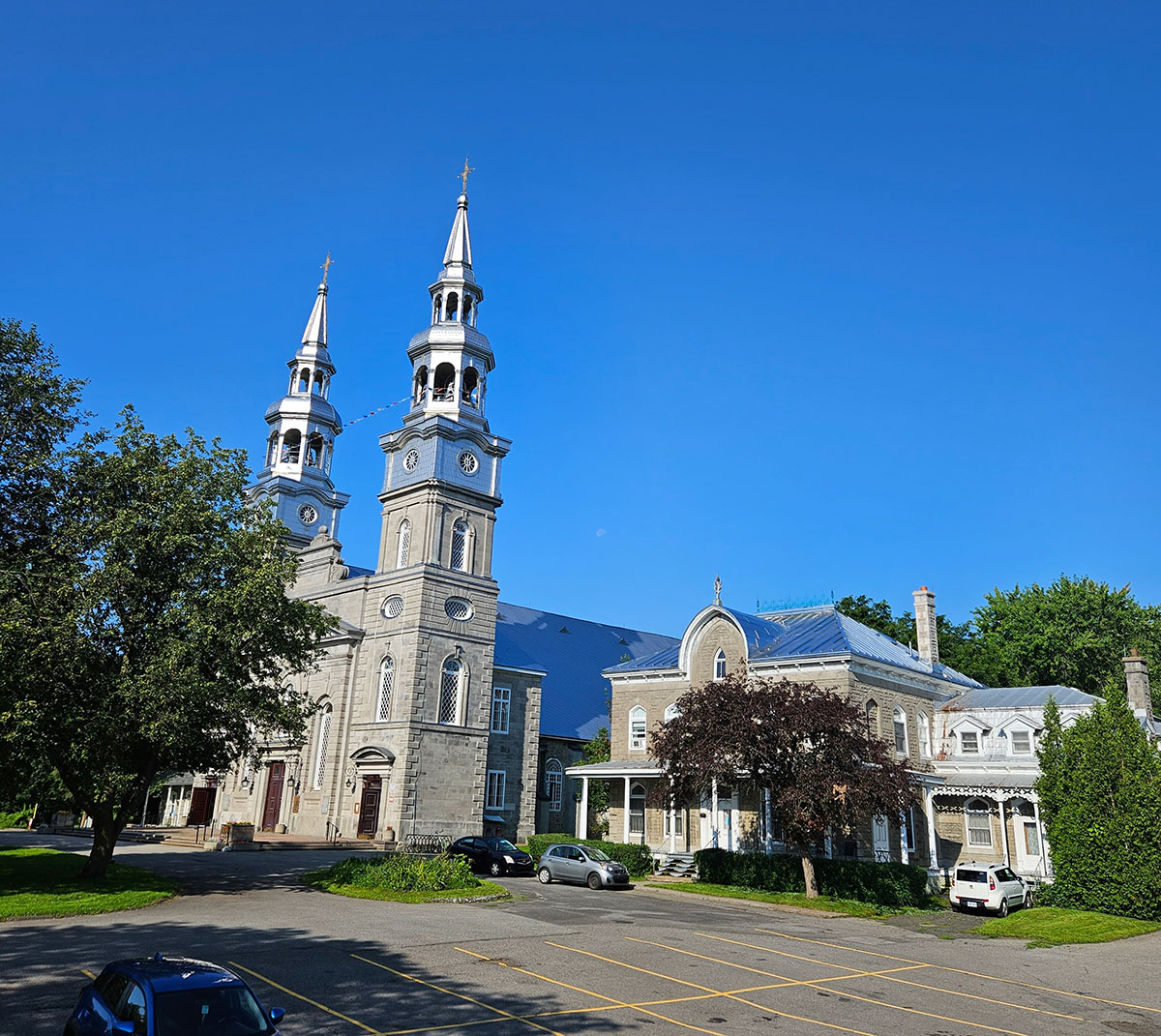
Église de la Visitation in the Ahuntsic-Cartierville neighborhood - Source: Personal archive
The Parcours Gouin cycle path, a popular destination that attracts almost a million cyclists annually, allows you to explore several historic sites, including the church of La Visitation, the oldest in the city of Montreal, founded in 1750, and the only remaining church in Montreal from the French regime.
Where is the Ahuntsic-Cartierville neighborhood located?
This district offers a unique city atmosphere, characterized by 15 miles of riverfront, an abundance of parks, historic preservation areas and centuries-old institutions that line the banks of the Prairies River.
Metro stations in the Ahuntsic-Cartierville neighborhood: Henri-Bourassa, Crémazie and Sauvé.
What does Ahuntsic-Cartierville offer its residents?
One of the most significant aspects in determining the quality of a neighborhood, in addition to the demographic and socioeconomic factors already mentioned, is the availability of infrastructure for its residents.
This covers parks, planned urban spaces and places to practice physical activities, with particular emphasis on mobility. In this sense, the Ahuntsic-Cartierville neighborhood offers a comprehensive set of options.
-
118 Green spaces
-
77 Parks
-
3 natural parks
-
8 Community Gardens
-
3 Libraries
-
1 House of culture
-
16 water spaces and swimming pools for children
-
6 public swimming pools
-
3 sports arenas
-
18 outdoor skating areas
-
1 air-conditioned multi-sport outdoor skating area
-
1 Pedestrian sector
-
3 Metro Stations
-
1 Sports Complex
-
4 Museums
-
3 Cégeps (Colleges)
Regions of the Ahuntsic-Cartierville neighborhood
Ahuntsic-Cartierville covers four sub-districts (regional neighborhoods) from east to west, namely Sault-au-Récollet, Saint-Southpice, Ahuntsic and Bordeaux-Cartierville.
This neighborhood is so large that I had to include its own map so you can find your way around better.
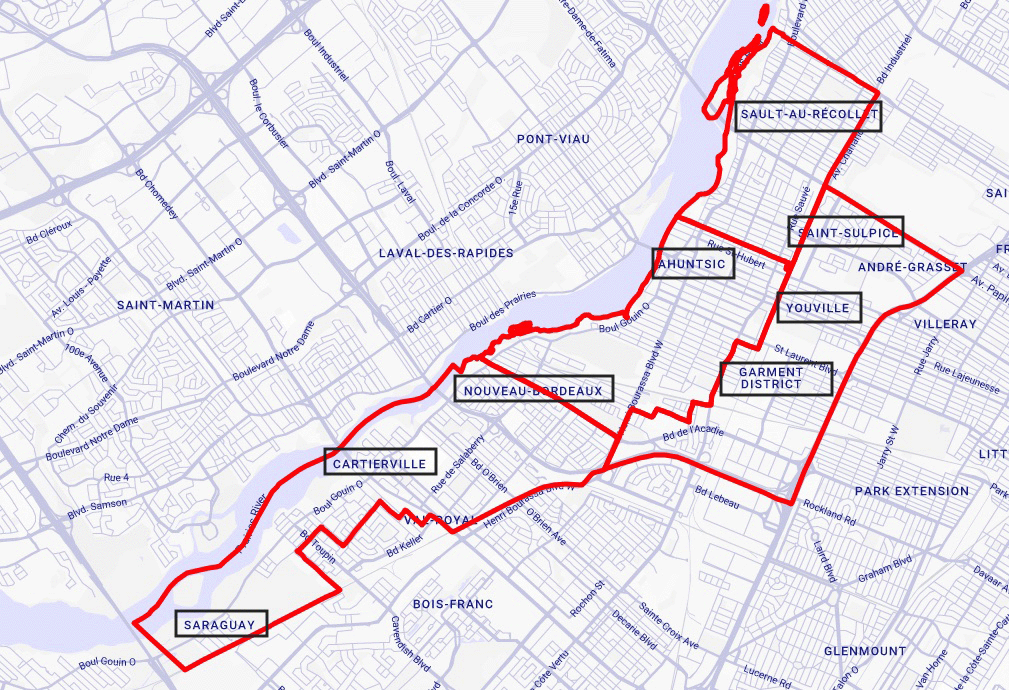
District map of Ahuntsic-Cartierville - Source: Elections in Montreal
Ahuntsic
Ahuntsic, whose access to the Henri-Bourassa, Crémazie and Sauvé metro stations is remarkable, stands out as the jewel in the crown, with its vibrant cultural and commercial life. The neighborhood is crossed by Promenade Fleury, stretching for around 12km and housing 250 stores and companies, making it the commercial epicenter of the region. Additionally, Ahuntsic Park, the Parcours Gouin Welcoming Pavilion and the Park Stanley pedestrian boulevard are popular landmarks for relaxation and a wide range of activities.
No less important, this is the place where I have lived since 2020, when I moved from the city of Laval to Montreal. Therefore, this will be the most complete guide I will produce about Montreal’s neighborhoods.
Ahuntsic West
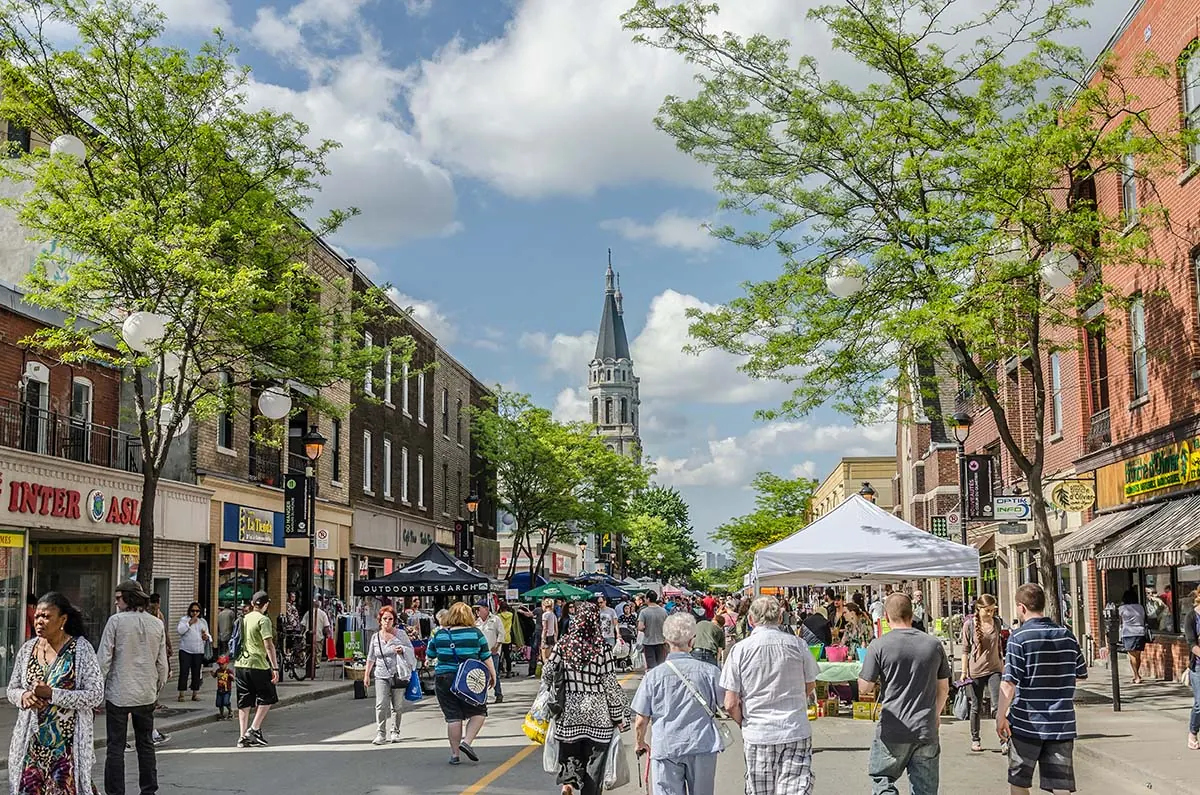
Ahuntsic West, situated in the district of Ahuntsic, is characterized by the area west of boulevard Saint-Laurent, focusing mainly on rue Fleury Ouest (FLO), a busy shopping street known for its gastronomic destinations. In the 1950s-60s, the Catholic Workers League built characteristic red brick townhouses there, which today are charming family homes.
Cartierville
Cartierville, situated on the banks of the Prairies River in the Bordeaux-Cartierville district, is a verdant and picturesque neighborhood in the northwest of the region, where many families from diverse backgrounds find their home. Encompassing magnificent parks, the Hôpital du Sacré-Cœur, and the commercial core along Gouin Ouest boulevard, close to Lachapelle bridge and Laurentien boulevard.
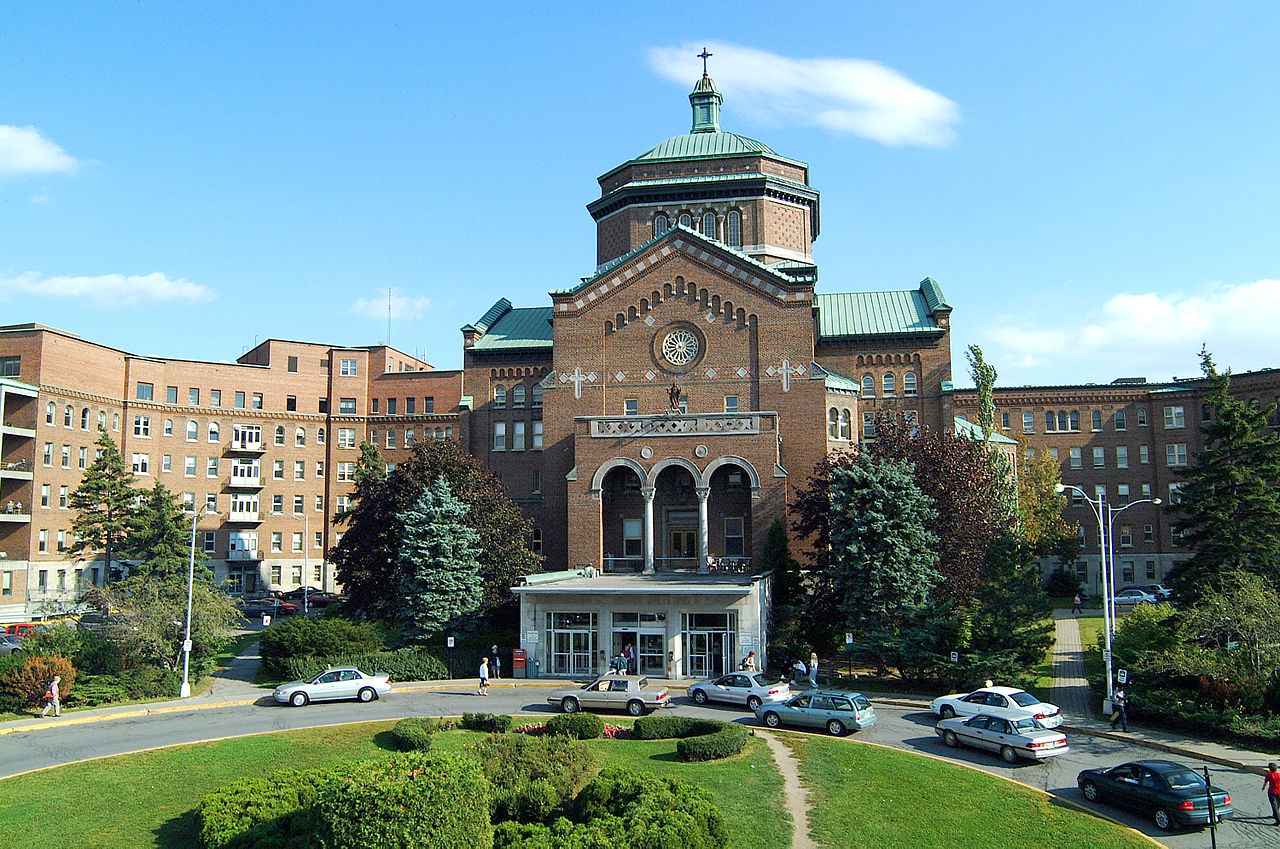
Hopital du Sacre Coeur - Source: Wikimedia Commons
Central District
The Central District is a vibrant economic center located in the heart of Montreal, presenting a unique effervescence. With a workforce that exceeds 25,000 employees, this district represents the fourth largest concentration of jobs in the city. Its territory encompasses a transition from the textile sector to design, from traditional manufacturing to urban production, and is deeply rooted in technology. It covers an area of approximately 3 km².
Domaine Saint-Southpice
In the Saint-Southpice district, the history of this neighborhood is characterized by a deep sense of cooperation and social cohesion. In the heart of this neighborhood is the renowned Claude-Robillard International Sports Complex. Here I would like to highlight this first-class sports center. My wife and I have the habit of swimming at different times of the year, and as a former water polo athlete with experience in several of these complexes, I can say that the structure offered free of charge to the local population is truly impressive.
Another point valued by local residents is the proximity of the Boisé de Saint-Southpice, one of the first classified and protected urban forests, as well as the presence of the CEGEPs Ahuntsic and André-Grasset.
New Bordeaux
This residential area is located at the confluence of three districts: Ahuntsic, Bordeaux-Cartierville and Saint-Southpice. Here, there are several schools, including CEGEP de Bois-de-Boulogne. Furthermore, the Marcelin-Wilson recreational park stands out, which houses several works of art and is an ideal place to spend peaceful moments alone or with the family.
Saint-Simon
This residential area benefits, to the north, from the effervescence of the business sector in Chabanel Ouest, thanks to its range of restaurants and cafes. The Saint-Simon neighborhood takes shape around the Saint-Simon-Apôtre park, where young and old, from all backgrounds, meet daily to share a common moment of relaxation. One of the main characteristics of this neighborhood is its proximity to Montreal’s Marché Central, a complex of shops and services located in the heart of this region.
Sault-au-Récollet
Located to the east of the neighborhood, this region rich in history encompasses the heritage of the Ancien-Village-du-Sault-au-Récollet, which stands out as an unmissable destination in Ahuntsic-Cartierville. The Maison du Meunier, a true heritage gem, together with the boulevard Gouin Est and the parc-nature de l’Île-de-la-Visitation, provide a charming setting along the banks of the Prairies River.
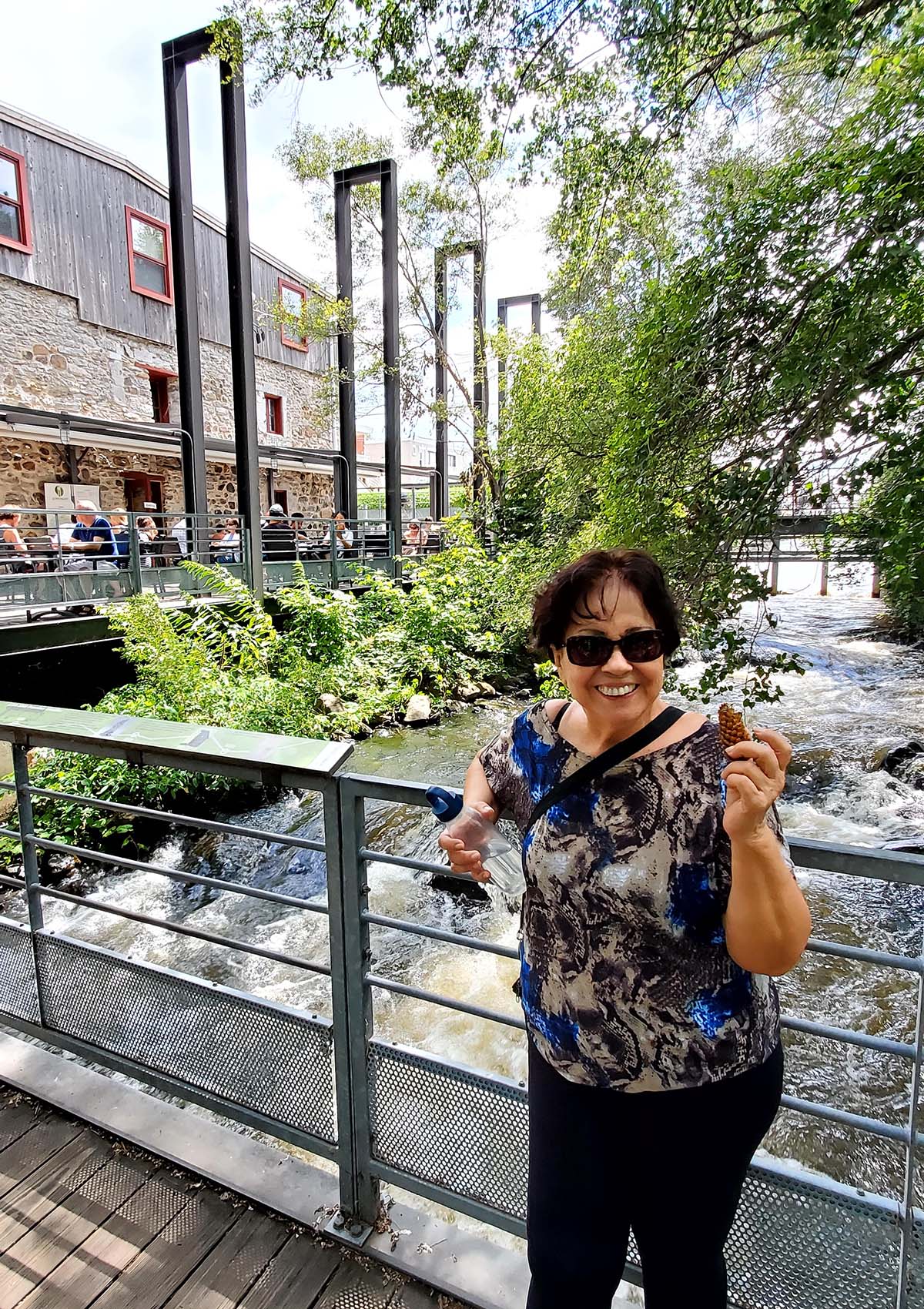
Maison du Meunier in the Parc-nature de l’Île-de-la-Visitation - Source: Personal archive
Needless to say, this is one of my favorite places in the neighborhood. The nature and history in this place are truly spectacular. Pictured above is my mother when she came to visit me for the first time in Montreal.
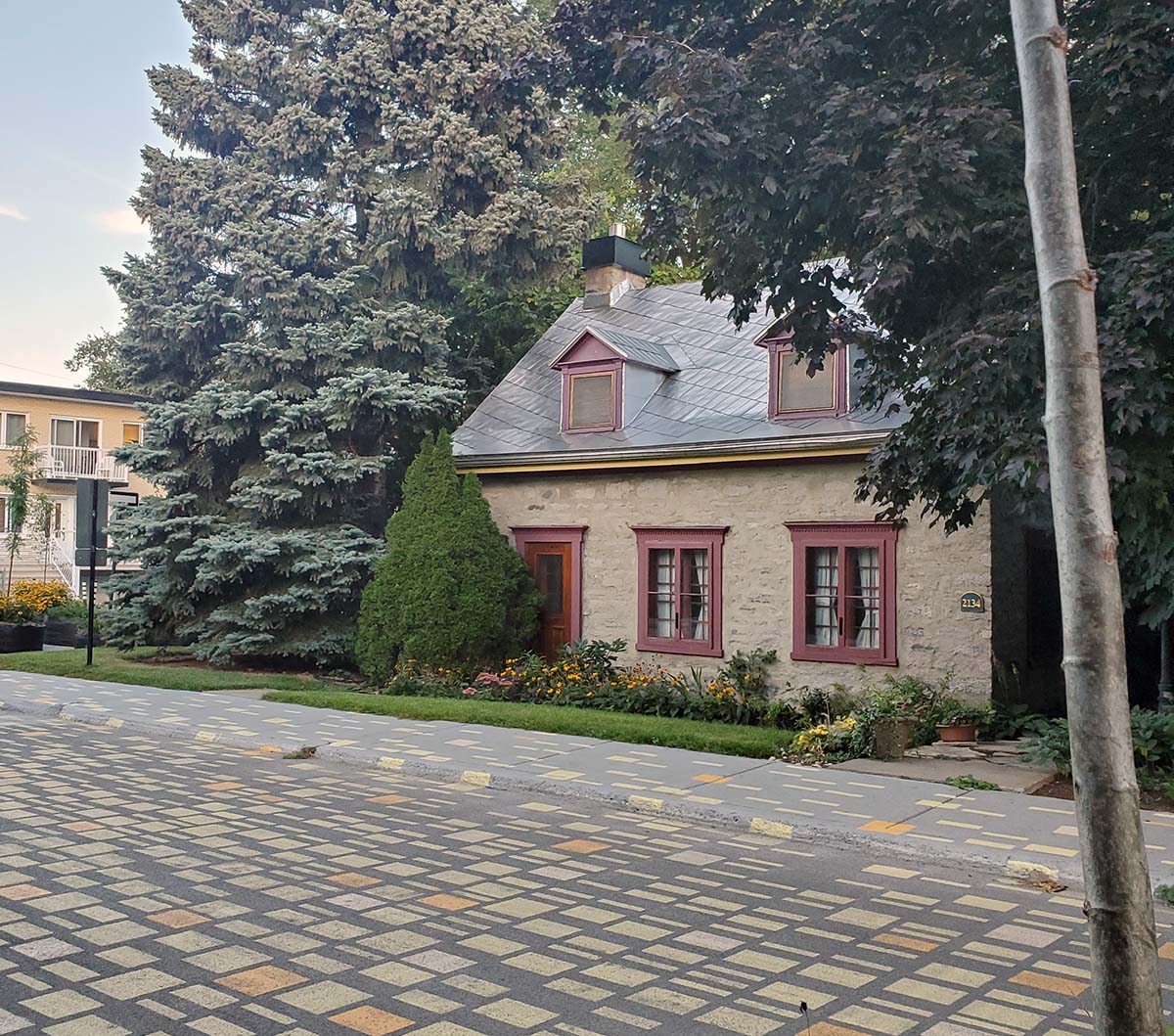
House located on Boulevard Gouin East - Source: Personal archive
Almost every residence along Boulevard Gouin East has its own story, many more than a century old and incredibly well-preserved, inhabited by local residents. If you have the opportunity to visit them, you will notice that each one has an informative plaque telling its story.
Youville
North of Crémazie Est, the neighborhood of Youville is gaining popularity among families and young people on the rise. This neighborhood is in full swing, with its streets becoming busier and new local shops playing a crucial role in the revitalization of rue Lajeunesse. Furthermore, the Express Bicycle Network is scheduled to connect the neighborhood to the rest of the city, further promoting its integration and accessibility.
Ahuntsic-Cartierville neighborhood numbers
All data presented below is public and was obtained from the 2016 census database, available on the [Statistics Canada](https://www12.statcan.gc.ca/census-recensement/2016/dp-pd/prof/details/page.cfm? Lang=E&Geo1=FED&Code1=24077&Geo2=PR&Code2=24&SearchText=Ville-Marie—Le%20Sud-Ouest—Ile-des-Soeurs&SearchType=Begins&SearchPR=01&B1=All&GeoLevel=PR&GeoCode=24077&TABID=1&type=0) website.
Language spoken in Ahuntsic-Cartierville
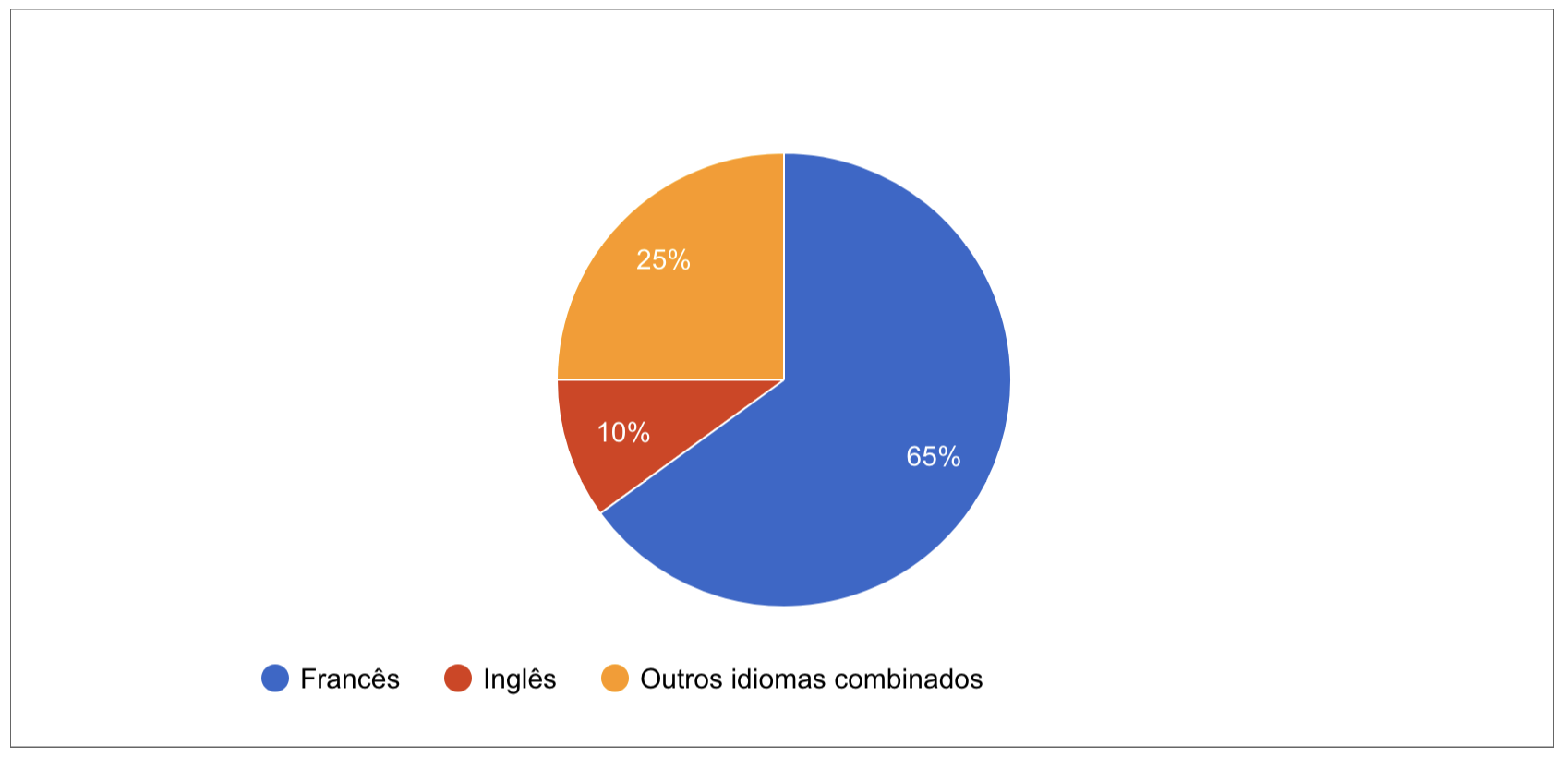
- French (65%): The fact that the majority of the population speaks French suggests that French culture and language have a strong influence in the region. This can affect aspects such as education, media and communication.
- English (10%): Although less prevalent, English still plays an important role, especially in commercial contexts, tourism and international relations.
Immigrant population in Ahuntsic-Cartierville
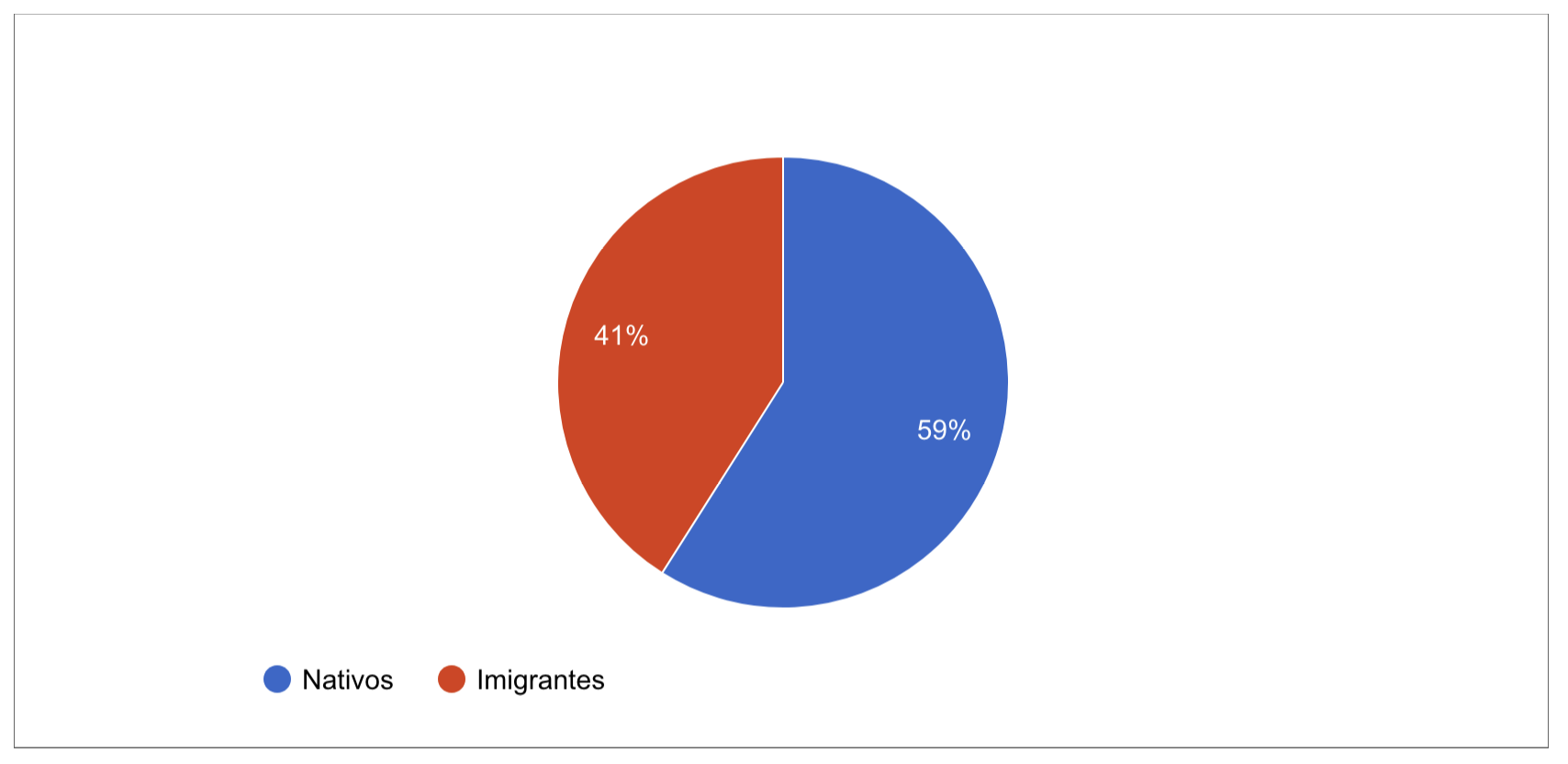
- Natives (59%): The majority of the population is natives, which may indicate a strong connection with local culture and traditions.
- Immigrants (41%): The significant presence of immigrants suggests a diverse community open to different cultures. This can enrich social life and offer varied perspectives.
Occupancy of properties in Ahuntsic-Cartierville
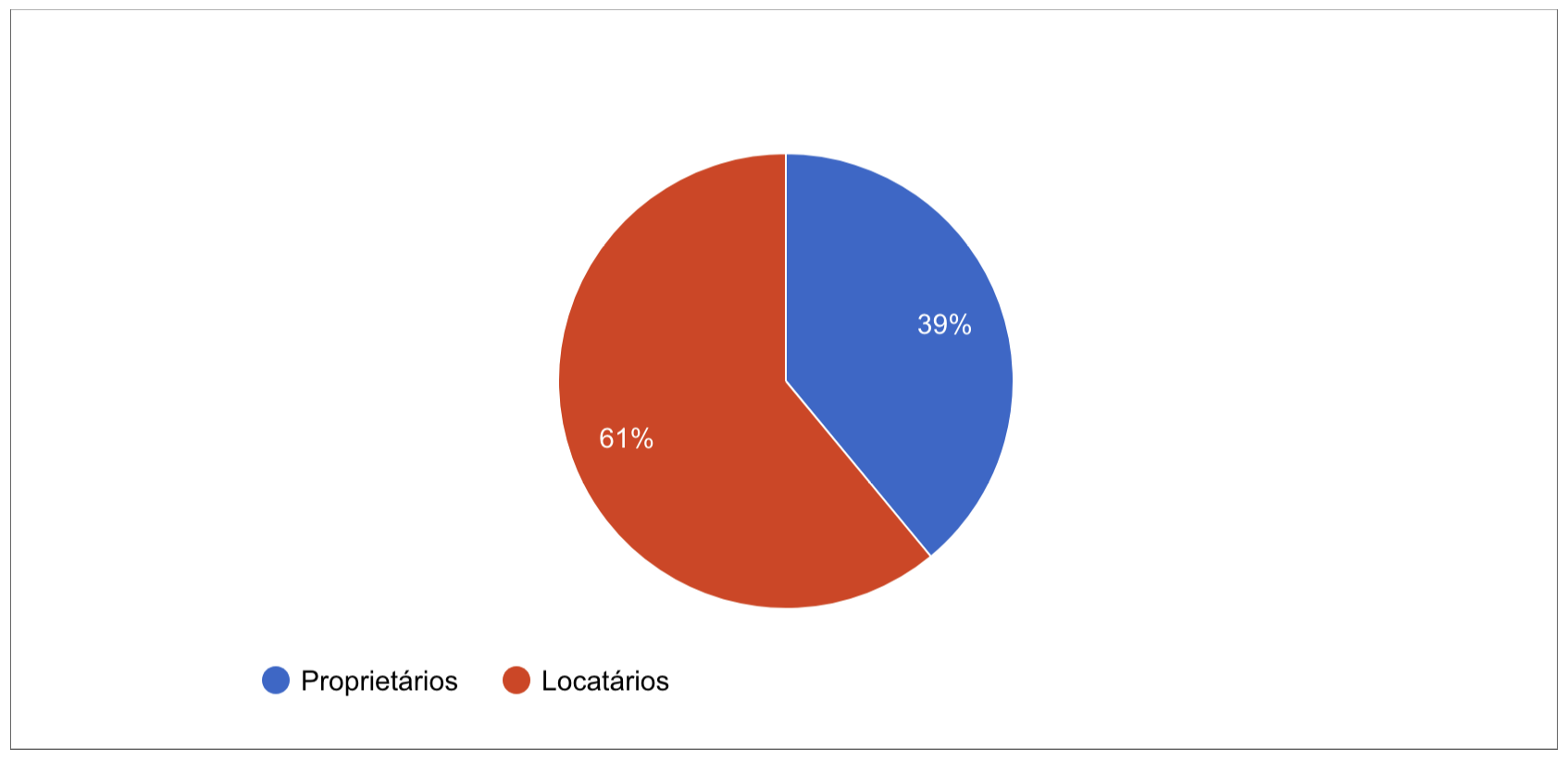
- Owners (39%): The proportion of owners is relatively low. This may mean that many people prefer to rent, perhaps due to mobility or a preference not to take on maintenance responsibilities.
- Renters (61%): Most people rent their homes. This may indicate a more transient community or a preference for flexibility.
Family composition in Ahuntsic-Cartierville
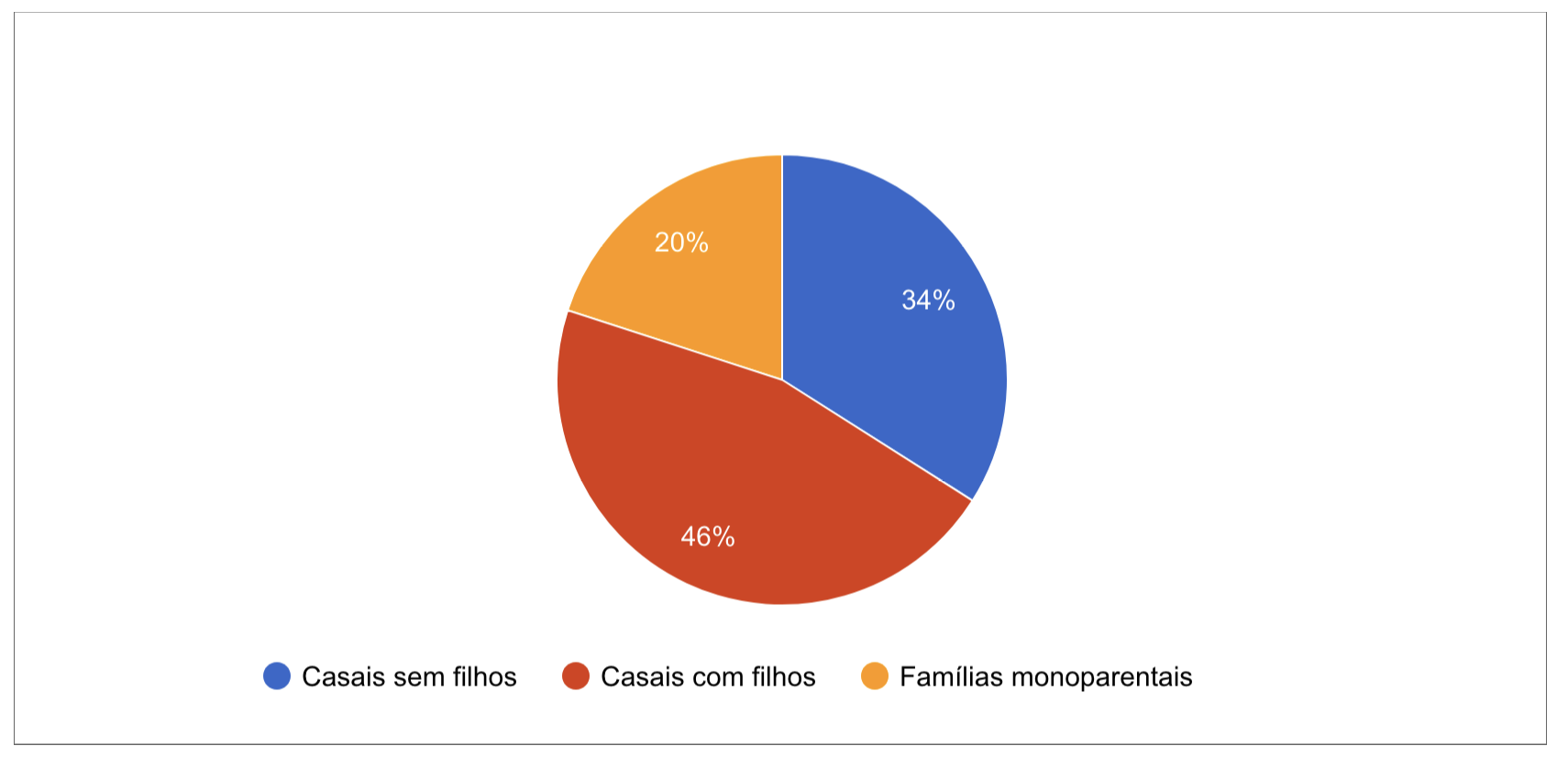
- Couples without Children at Home (34%): This group may include young couples or people who have chosen not to have children. The neighborhood can be quiet and suitable for couples.
- Couples with Children at Home (46%): The significant presence of families with children suggests that the neighborhood is child-friendly and may have good schools and green spaces.
- Single Parent Families (20%): These families may face specific challenges, but they can also find support in the community.
Age range in Ahuntsic-Cartierville
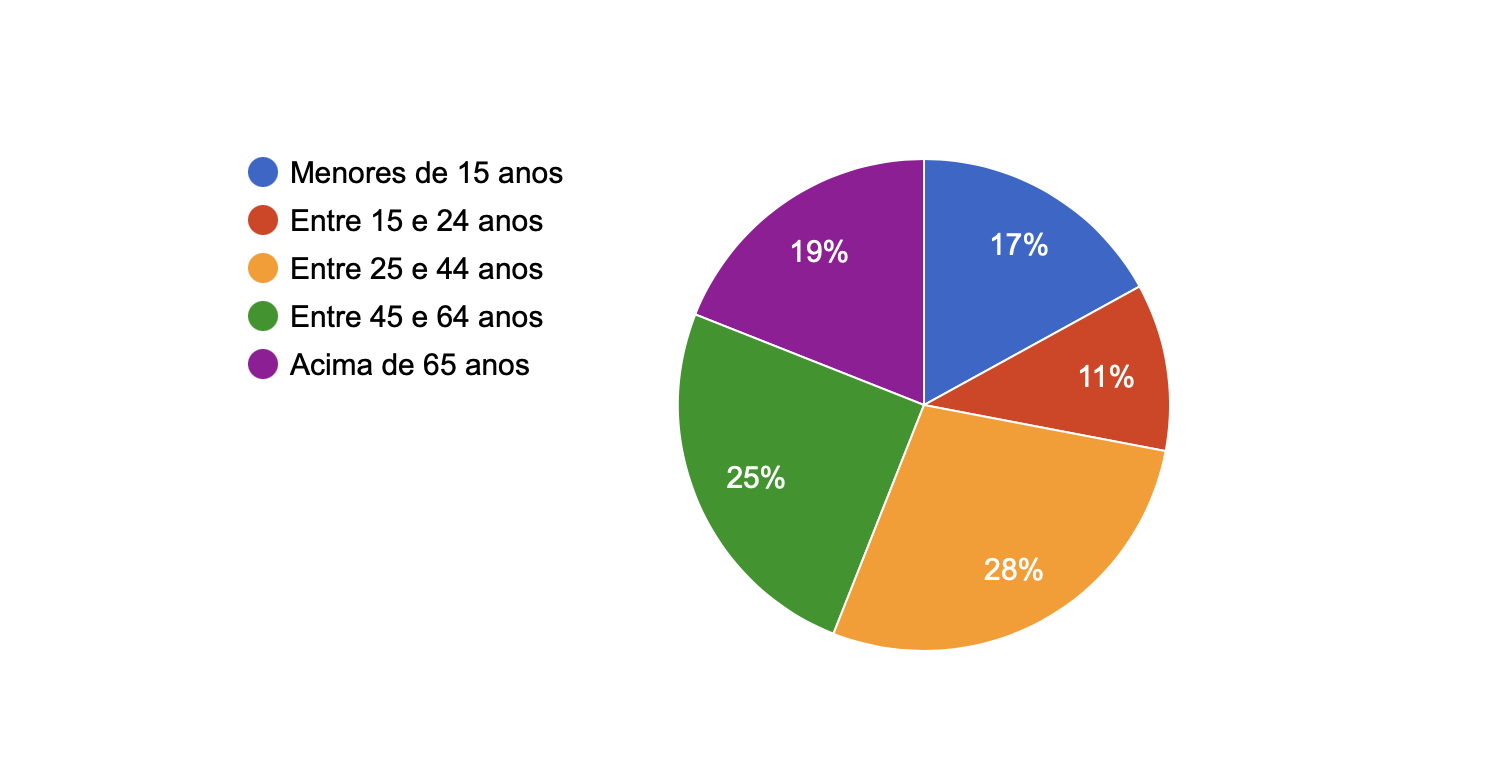
- Under 15 years old (17%): The presence of children indicates that the neighborhood is suitable for families. Parks, schools and children’s activities can be important.
- Between 15 and 24 years old (11%): A smaller proportion of young adults suggests that the neighborhood may be quieter and less focused on nightlife.
- Between 25 and 44 years old (28%): This age group is active and can indicate a vibrant community with work and leisure opportunities.
- Between 45 and 64 years old (25%): This age range may include established and retired professionals. The neighborhood can offer amenities for both.
- Over 65 years old (19%): The presence of elderly people suggests that the neighborhood is accessible and offers services for this age group.
Education level in Ahuntsic-Cartierville
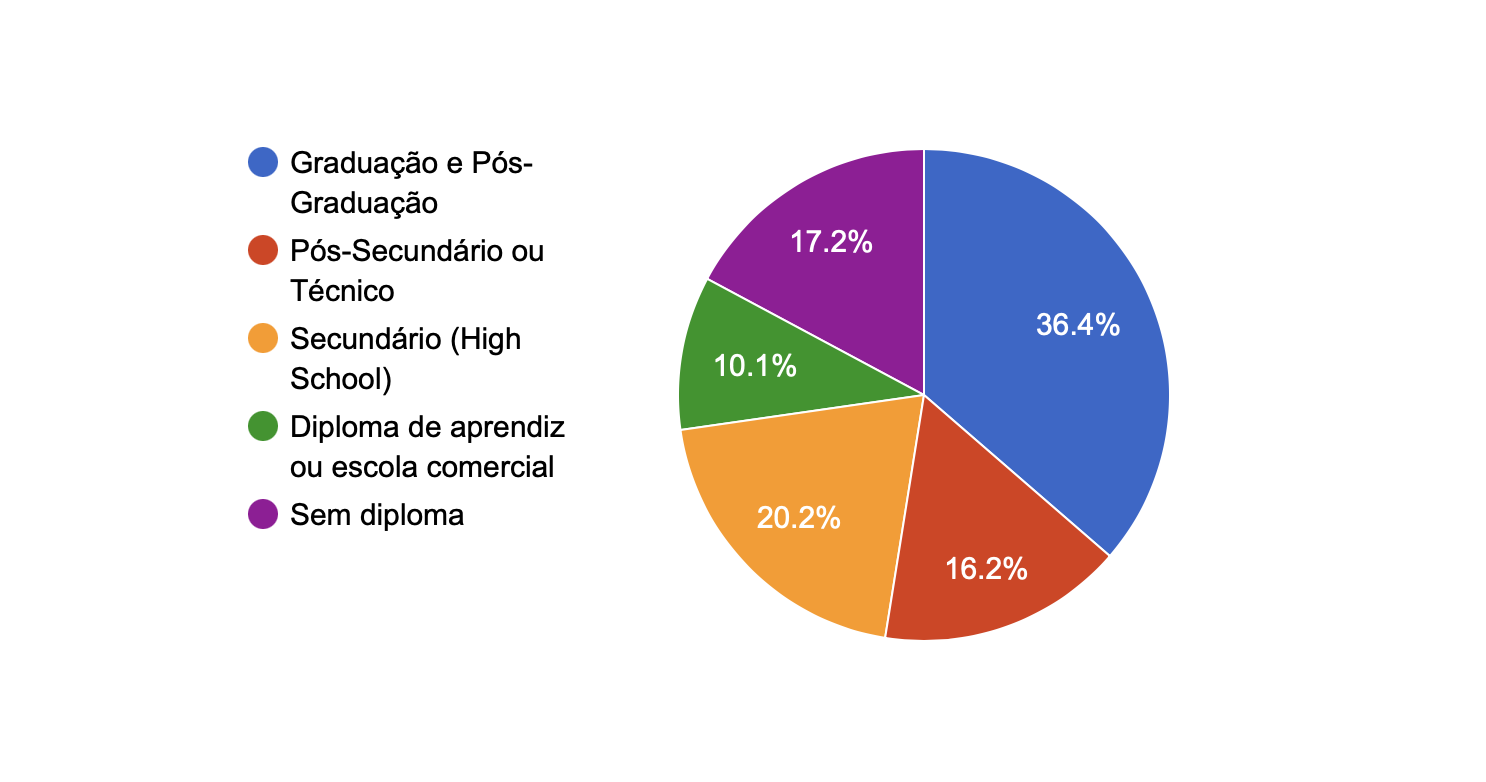 * Undergraduate and Postgraduate (36%): The high proportion of people with higher education may indicate an educated community with access to intellectual opportunities.
- Post-Secondary and Technical (16%): This track may include technical and specialized professionals.
- High School (20%): Completing high school is essential and suggests that the neighborhood has a solid educational base.
- Apprentice or Trade School Diploma (10%): These practical skills can be valuable to the local economy.
- No Diploma (17%): The presence of people without a diploma can indicate socioeconomic diversity and opportunities for all.
Annual income in Ahuntsic-Cartierville
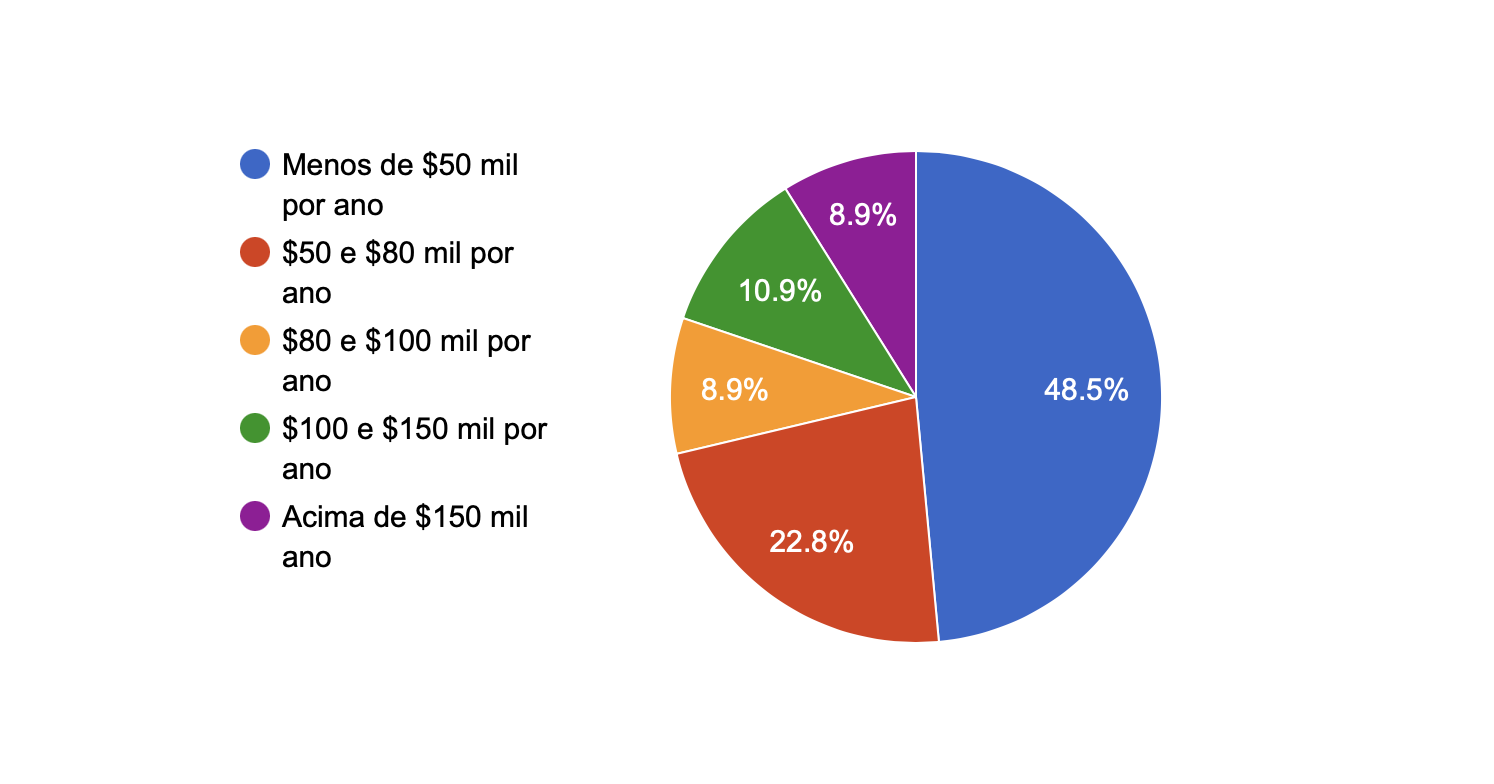
- Less than $50 thousand (45%): This income range may indicate economic challenges for part of the population.
- Over $150,000 (11%): The presence of higher income suggests prosperity and socioeconomic diversity.
My personal view of the Ahuntsic-Cartierville neighborhood
After so much information about the Ahuntsic-Cartierville neighborhood, it is difficult not to awaken your curiosity for a more detailed analysis. I will try to leave emotions aside, although I am an enthusiast of this place, and highlight both the positive and negative aspects of living here.
As a cyclist and history lover, exploring this neighborhood by bike is always guaranteed fun. However, is everything here so perfect? Let’s find out together.
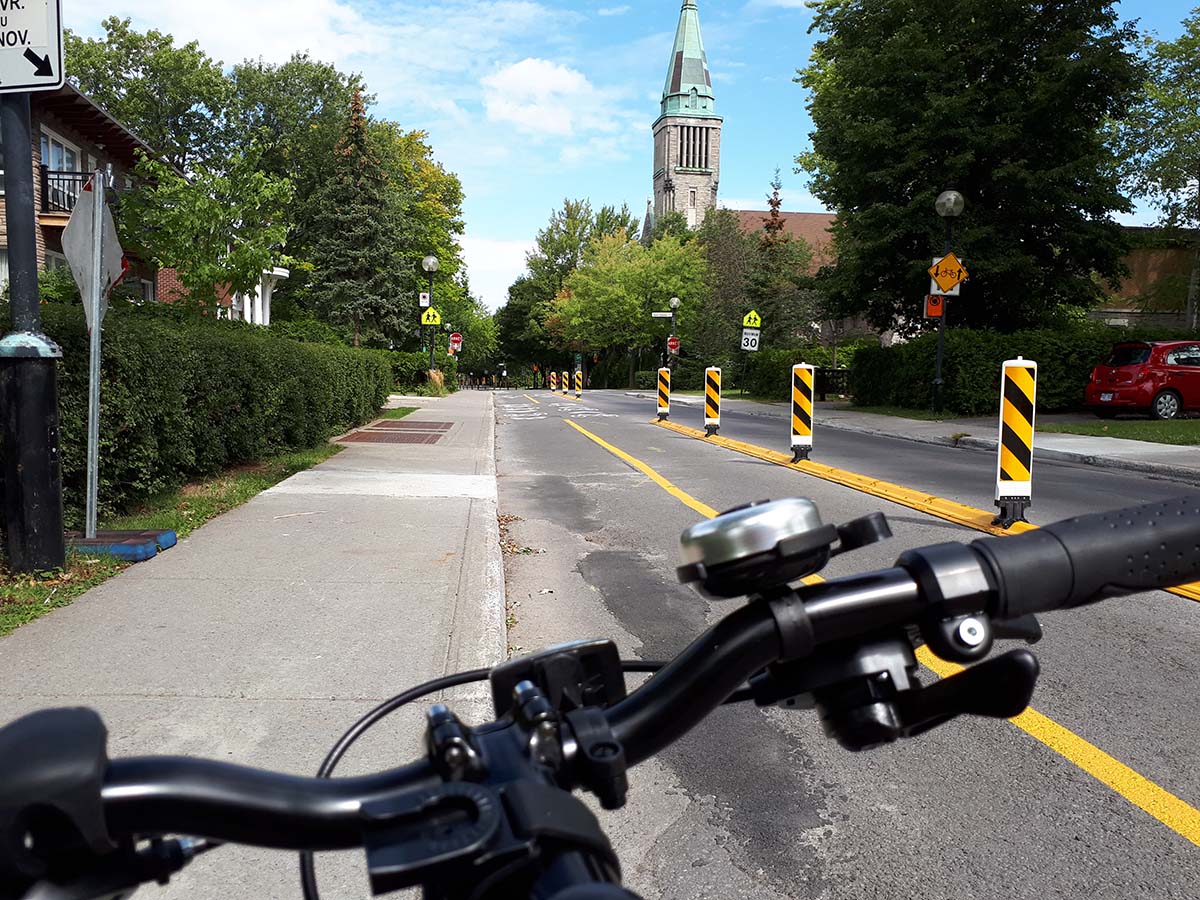
My bike and me on Boulevard Gouin East in 2020 - Source: Personal archive
Positive points of Ahuntsic-Cartierville
One of the neighborhood’s striking features is its ability to bring together a variety of elements in one place: transport convenience, abundance of green areas, infrastructure for residents and an atmosphere of peace, typical of a suburb, but with a modern touch.
To explore the history of Ahuntsic, simply start a walk in areas such as Sault-au-Récollet, where you will find exceptionally well-preserved century-old residences along Boulevard Gouin, amidst lush nature.
Among the quality factors that I consider important in the neighborhood are mobility, green spaces and the atmosphere of a well-maintained historic neighborhood.
Another point to highlight in this neighborhood is the fact that you can educate your children with quality, regardless of their age. This is due not only to the excellent offer of good primary, secondary and higher education schools (CEGEPs), but also to the feeling of security that its residents enjoy.
In many areas of the neighborhood, it is still common to see children under 8 years old going to school alone or playing in the street without the neurotic supervision of their parents. It can be said that this is one of the few havens of tranquility within the island, although this largely depends on the specific region in question.
My daughters studied at École secondaire Sophie-Barat for 4 years. By the way, it is one of the best-ranked public schools in this region of Montreal, despite currently facing problems of degradation in its structure. I heard that they are going through a process of revitalization, as it is a historical heritage site in the city, being the oldest school in Montreal still in operation, with its first founders dating back to 1856.
Read also: “How does the school system work in Quebec?”
It’s also worth noting that this is still a low-density neighborhood, and owning a car is still a viable option for residents, since there are plenty of free parking spaces available. In this region, buildings are predominantly of a maximum of 3 floors, although some less old areas of the city are starting to change this pattern. Another advantage is that, although we are a little far from downtown Montreal, we are just a bridge away from Laval. I often find it more practical to take the expressway to Laval to go to large supermarkets like Costco or Walmart than to deal with local traffic. Additionally, it is much easier to find parking spaces in Laval stores than in Montreal.
Read also: “Learn the difficult art of parking in Montreal: Complete Guide”
Not least, as we are talking about a neighborhood that offers a quality of life above the average in Montreal, it is to be expected that affordable housing is not one of its strengths. This is a relatively expensive neighborhood to live in.
Negative points of Ahuntsic-Cartierville
This will be a difficult conversation, but it is important to address some truths about Ahuntsic-Cartierville’s challenges, starting with the difficulty in finding properties to live in.
The main obstacles in this equation are the price and age of the properties. Due to the same reasons that make the neighborhood attractive, such as low population density and an abundance of green spaces and parks, it is rare to see new construction emerging, which is reflected in the scarcity of properties available for rent.
Many of the properties available are at least 50 years old and are in less favorable conservation conditions, especially when we consider cost-benefit.
Furthermore, the neighborhood’s proximity to areas such as Montreal North (east of the island) also eventually brings security problems in some parts of the neighborhood. Additionally, the degradation of some old and poorly maintained condominiums contributes to a feeling of neglect.
Read also: “Neighborhoods of Montreal: Discover the 4 regions of this island and their contrasts”
Although I really appreciate this region, I have noticed a certain disregard on the part of the local administration for the cleanliness and conservation of the neighborhood.
In the table below, I present a summary containing all the criteria I normally use to evaluate a neighborhood in Montreal.
| Ahuntsic-Cartierville neighborhood | Rating |
|---|---|
| Mobility and transportation | ⭐️⭐️⭐️⭐️⭐️ |
| Green spaces (parks) | ⭐️⭐️⭐️⭐️⭐️ |
| Environment and pollution | ⭐️⭐️⭐️⭐️ |
| Safety | ⭐️⭐️⭐️⭐️ |
| Beauty and architecture | ⭐️⭐️⭐️ |
| Nightlife | ⭐️⭐️⭐️ |
| Leisure | ⭐️⭐️⭐️⭐️⭐️ |
| Community activities | ⭐️⭐️⭐️⭐️⭐️ |
| Shopping | ⭐️⭐️⭐️⭐️⭐️ |
| Art and culture | ⭐️⭐️⭐️⭐️ |
| Tourist appeal | ⭐️⭐️⭐️⭐️ |
| Good for drivers | ⭐️⭐️⭐️⭐️⭐️ |
| Schools for teenagers | ⭐️⭐️⭐️⭐️⭐️ |
* The criteria provided are a synthesis of information from various classifications available on the internet, combined with my personal observations.
Read also: “Montreal Neighborhoods: Verdun Guide”
With that, I close for today. Remember to sign up for our newsletter to receive weekly updates on study, work, immigration and life in Quebec.
See you in the next post! 😀

Marco Vasconcelos
Brazilian, webmaster, and e-commerce specialist living in Montreal since 2018. Founder of Você no Quebec, sharing practical guides, housing tips, and real-life experiences in the province to help Brazilian and international newcomers transition smoothly.
Read more about Marco →