
Living in Montreal: 12 Points you must consider before moving to this city
| Editorial Review: October 2026 (2026-2027 Projections): Montreal remains noticeably more affordable than Toronto or Vancouver, but living costs require careful budgeting: the average asking rent for a two-bedroom apartment (4 ½) sits between $1,600 and $2,200 CAD/month (compared to CMHC's historical stock average of $1,346 which includes rent-controlled tenancies). The provincial minimum wage is $16.60/h and TAL published a 3.1% indicative guideline. Calculate your budget on our Quebec Net Salary Calculator and Cost of Living Simulator. |
Things you should consider before choosing to live in Montreal
Having lived in Montreal since 2018, I have experienced a bit of everything to be able to teach some valuable lessons about the city. Thus, before making the decision to move to Montreal, it is vital that you take the following aspects into consideration:
1. Climate
Montreal experiences harsh winters, with very low temperatures and snow well above the shin. But does that mean it is the worst city in Canada to live in during the winter? No, on the contrary, Montreal is one of the best prepared cities in North America for this climate.

Freezing Rain - Living in Montreal 12 Points you must consider before moving to this city - Source: Image Bank
Remember what I am going to say now, the snow will be the least of your problems when you are faced with stunning blue sky days, bathed in a radiant sun, but accompanied by temperatures of -20 degrees Celsius, not to mention the charming freezing rain days.
Read also: “How to prepare for spring in Quebec: Your Complete Guide”
2. Bilingualism
Although French is the official language of Montreal, approximately 60% of its inhabitants speak English. In fact, the most recent census revealed that almost 20% of the 1.7 million residents speak at least three languages. However, it is important to note that the provincial government of Quebec has continually fought to restrict the use of English in the daily life of its cities, especially Montreal.
With the full implementation of Bill 96, French is the statutory default language of the workplace in Quebec, governing job advertisements, contracts, and internal communications. Learn what employers can require and how to establish your credentials in our guide Bill 96 in the Workplace: How French Shapes Your Career in Montreal.
3. Cost of Living in Montreal: The Real 2026/2027 Breakdown
While Montreal offers greater affordability than Toronto or Vancouver, living costs have risen markedly. When modeling your expenses, distinguish between two key rental figures:
- Historical In-Place Average (CMHC): Around $1,346 CAD/month for a 2-bedroom (4 ½), reflecting long-term existing tenancies under gradual rent control.
- Open Market Asking Rents: Between $1,600 and $2,200 CAD/month for newcomers renting a 2-bedroom in metro-accessible neighborhoods (listing averages hover around $1,930 CAD).
The housing tribunal (TAL) published an indicative guideline adjustment of 3.1% for 2026/2027 leases. For parents, subsidized daycare costs $9.65 CAD/day (~$212/month), though waitlists are lengthy.
Factoring in groceries, public transit (STM passes at ~$100/month per adult), hydro electricity, home insurance, and mobile plans, a couple without children spends between $2,750 and $3,910 CAD/month, while a family of three requires between $3,160 and $4,420 CAD/month.
What salary covers this budget? Take-home pay is what matters: an annual gross salary of $75,000 CAD yields approximately $53,119 CAD net (~$4,427/month), covering essentials with narrow margins for savings. Simulate your taxes on our Quebec salary calculator and cost of living simulator.
4. Healthcare System in Montreal (RAMQ)
Quebec’s provincial healthcare plan (RAMQ) covers physician consultations, diagnostics, and emergency hospital care. However, budget planners must account for services not covered by the public plan:
- Adult Dental Care: Cleanings, fillings, and dental surgeries are paid out of pocket unless covered by an employer benefits package.
- Prescription Eyewear: Glasses and contact lenses are self-funded.
- Prescription Medications: Residents without private group insurance must enroll in the public RAMQ prescription drug insurance plan, which carries an annual premium.
Given Montreal’s population density, securing a permanent family doctor through the provincial registry (GAMF) takes time. Review the step-by-step registration roadmap in our guide on how to apply for a RAMQ health card in Quebec.
5. Job Opportunities in Montreal
Because of the same reason mentioned above, we have a distinct perspective. The considerable number of inhabitants in Montreal is also responsible for attracting a wide variety of companies in several sectors.
Thus, the city is recognized as one of the largest and most significant employment hubs in Canada. I didn’t choose to live in this city for nothing, the opportunities are truly abundant.
6. Cultural Diversity
Montreal is a multicultural city, which can be extremely advantageous for many. However, not so much for those with a less open mind. In this environment, you can experience an intense love-hate relationship with the city and its population.

Just another normal day of protests - Living in Montreal 12 Points you must consider before moving to this city - Source: Image Bank
The quality of education of the local residents, as well as the cleanliness and maintenance of the streets, can vary considerably depending on the predominant culture in each neighborhood. We are, in fact, immersed in a true Tower of Babel.
7. Traffic in Montreal
I won’t lie, car traffic in this city is a real hell. Besides being intense, it has some of the worst traffic signs I have ever witnessed in my life. Add to that the quality of the roads, which frequently resemble our streets in Brazil, and we have the perfect combination to make any driver stressed out.
In this scenario, it is essential to be familiar with local traffic laws and meticulously plan trips to avoid delays.
8. Parking in Montreal
Well, if the traffic isn’t exactly the best in the world, parking the car can be another considerable torment. For vehicle owners who plan to live in Montreal, it is advisable to check the post I will list below for a more in-depth understanding of the subject.
9. Public Transportation
Point for Montreal and its remarkable urban mobility when it comes to public transportation. Few people know, but Montreal is home to one of the best public transportation systems in North America, second only to its neighbor, New York.
10. Education
Montreal is recognized for its high-quality educational system. The city is home to several renowned educational institutions, including world-class universities such as the Université de Montréal and McGill University. In addition, Montreal is considered an academic and cultural hub, with a vibrant student community and a wide range of undergraduate and graduate programs.
The public education system in the province of Quebec is predominantly in French, but there are also English-language schools available. This linguistic diversity offers residents unique opportunities to improve their language skills.
Another element that significantly influenced my decision to live in Montreal. Currently, at 17 years old, my twin daughters already master three languages (with the fourth underway) and are already attending their first year at CEGEP.
11. Lifestyle
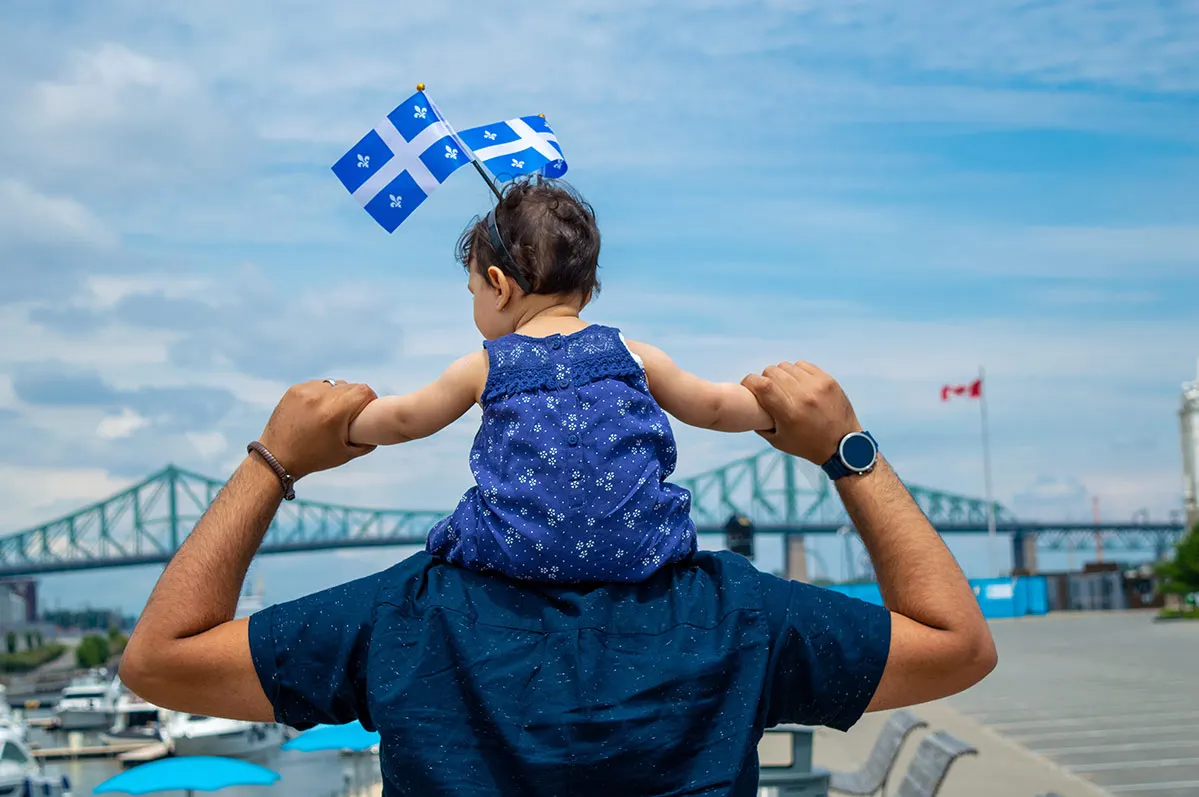
First of all, Montreal offers space for everyone who wishes to express their cultures, as long as they are open to absorbing and coexisting with others. The inhabitants of Quebec are notoriously proud of their identity to the point of considering themselves an independent nation from the rest of Canada.

Living in Montreal 12 Points you must consider before moving to this city - Source: Image Bank
The native population embraces a lifestyle that blends European relaxation with the urban hustle of New York, occasionally rude and impatient, but full of personality, totally escaping the stereotype of the nice Canadian.
Read also: “Montreal Neighborhoods: Get to know the 4 regions of this island and their contrasts”
And I won’t even mention the bars, restaurants, and dozens of festivals that the city hosts to welcome thousands of tourists every year. We are talking about a place where things happen.
If this lifestyle pleases you, Montreal might be the ideal place for you.
12. Legal and Immigration Issues
As an aspiring Canadian immigrant, it is imperative to be aware of immigration laws, visa requirements, and necessary documentation for legal residence in Montreal. The city is the largest and most important in the province of Quebec, which, in addition to having a distinct culture compared to the other provinces of Canada, also has an immigration system full of particularities.
Final Thoughts
Conducting comprehensive research is essential before contemplating the idea of settling in this city. Your personal circumstances, including your budget, career opportunities, family composition, and lifestyle, play a crucial role in your decision to move to Montreal.
Although there are many other excellent cities in Canada, few are as unique as Montreal. I had the opportunity to explore some of them and I can say that, despite maintaining a constant love-challenge relationship with Montreal, I wouldn’t trade it for anything.
With that, I’ll sign off for today. Don’t forget to subscribe to our newsletter to receive weekly updates on how to prepare for this journey we affectionately call immigration.
See you in the next post! 😀

Marco Vasconcelos
Brazilian, webmaster, and e-commerce specialist living in Montreal since 2018. Founder of Você no Quebec, sharing practical guides, housing tips, and real-life experiences in the province to help Brazilian and international newcomers transition smoothly.
Read more about Marco →